Dental Crowns in Bhopal: Your Complete Patient Guide to a Stronger Smile

Dr. Tarun Pandey
BDS, MDS (ORTHODONTICS) · Bhopal

You've just noticed that your tooth feels weak after a large filling, or maybe you're looking at a discolored tooth that no amount of whitening will fix. Your dentist mentions a crown, and suddenly you're wondering: What exactly is a crown? How long will it last? Will it hurt? Is it really necessary?
If you're in Bhopal and considering dental crowns, you're not alone. Thousands of patients every year choose crowns to restore damaged, weakened, or cosmetically imperfect teeth. But before you commit to treatment, it's worth understanding what crowns actually are, what the modern procedure involves, and what you can realistically expect during recovery.
At Titanium Smiles in Bhopal, we've helped countless patients restore their smiles with crowns and bridges. With over 15 years of clinical experience, Dr. Tarun Pandey and our team are here to guide you through every step of the process—and to answer the questions you might feel too uncertain to ask.
Common myths about dental crowns in Bhopal (and the truth)
Myth 1: A crown is the same as a filling.
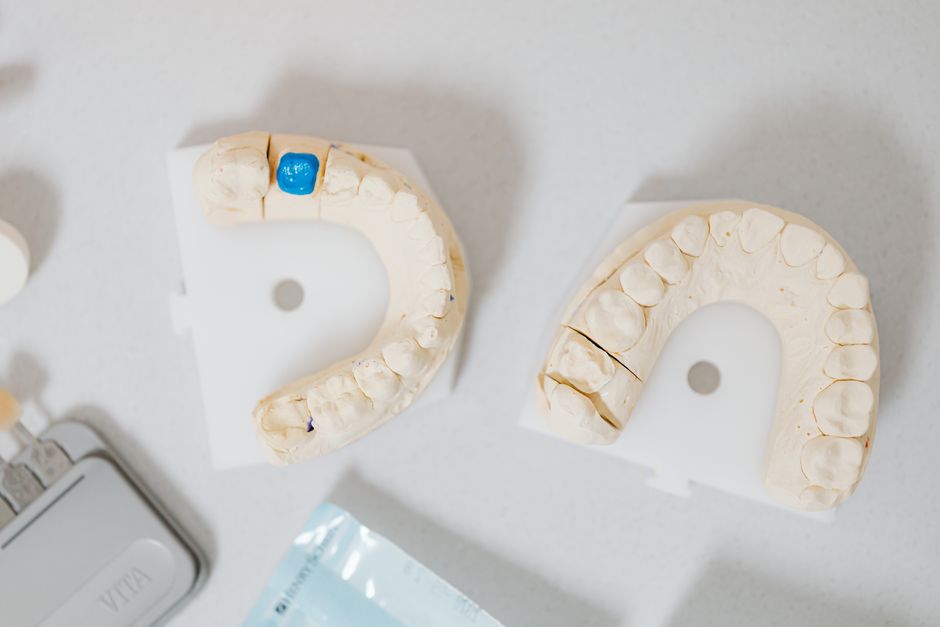
This is one of the most common misconceptions we hear. While both restore tooth structure, they work very differently. A filling is a direct restoration—your dentist places material directly into the cavity and hardens it in your mouth. A crown, by contrast, is an indirect restoration: it's a custom-made cap that covers your entire tooth, typically fabricated in a lab and then cemented onto your tooth.
Crowns are stronger and last much longer than fillings, especially for teeth that have experienced significant damage or decay.
Myth 2: Crowns always look artificial and obvious.
Not anymore. Modern dental crowns in Bhopal are made from materials like porcelain, ceramic, and zirconia that closely mimic the color, translucency, and shape of natural teeth. When placed by an experienced dentist, a well-made crown is virtually indistinguishable from your natural tooth. The key is working with a clinic that invests in quality lab work and takes time to match your tooth shade and contours.
Myth 3: You need a crown for any large filling.
While large fillings do increase the risk of future problems, not every large filling requires a crown. Your dentist will assess factors like the amount of tooth structure remaining, the location of the tooth, and the forces it experiences when you chew. A tooth that's lost more than half its structure, or one that's had root canal treatment, is a much stronger candidate for a crown than a tooth with a moderately sized filling.
Myth 4: Crowns are permanent and never need replacing.
A crown is not truly permanent, though it can last 10–15 years or longer with good care. Over time, the cement can break down, the crown can chip, or decay can develop underneath. Regular dental checkups in Bhopal are essential to catch problems early. At Titanium Smiles, we monitor your crowns closely to ensure they remain functional and beautiful.
Real risks vs imagined ones
It's natural to worry about any dental procedure. Let's separate fact from fiction.
Real risks (though uncommon):
Sensitivity after crown placement: Some patients experience mild sensitivity to temperature for a few weeks after a crown is placed. This usually resolves on its own but can be managed with desensitizing toothpaste.
Crown fracture: While modern crowns are durable, they can chip or crack if you bite on something very hard or experience trauma. This is rare but possible.
Decay under the crown: If the seal between the crown and tooth weakens, bacteria can enter and cause decay. This is why proper oral hygiene and regular checkups are crucial.
Allergic reaction to materials: Extremely rare, but some patients may have sensitivity to certain metals or materials used in crowns.
Imagined risks (not supported by evidence):
- Crowns do not cause cancer, despite myths you may read online.
- Crowns do not weaken your jaw or cause bone loss.
- A crown does not mean you'll eventually lose the tooth.
The reality is that a well-placed crown protects your tooth and extends its life.
What modern technology has changed
Dental crown treatment has evolved dramatically over the past two decades. Here's what's different today compared to even 10 years ago:
Digital impressions and CAD/CAM technology:
Instead of taking messy molds of your mouth, many dentists now use digital scanners to capture precise 3D images of your tooth. This improves accuracy and patient comfort. Some clinics can even mill crowns in-house using CAD/CAM technology, reducing the number of visits you need.
Better materials:
Zirconia and advanced ceramics are stronger, more aesthetic, and more biocompatible than older porcelain-fused-to-metal crowns. If you're interested in comparing materials, our guide on zirconia vs porcelain dental crowns in Bhopal breaks down the pros and cons of each option in detail.
Faster turnaround times:
Traditional crowns required two appointments—one to prepare the tooth and take an impression, and a second to place the permanent crown. Today, same-day crowns are possible in many cases, though not all situations are suitable for this approach.
Improved aesthetic outcomes:
Modern shade-matching technology and lab techniques mean your crown can match your natural teeth far more closely than ever before, which is particularly important if you're in the front of your mouth where visibility is high.
Recovery: what's normal vs what to call your dentist about
Immediately after crown placement:
Your mouth may feel slightly numb from the local anesthetic for 1–2 hours. Avoid eating or drinking until the numbness wears off to prevent accidentally biting your cheek or lip.
The first few days:
- Your bite may feel slightly "off" or high. This is common and usually resolves within a few days as your jaw adjusts.
- You might notice mild sensitivity to hot, cold, or pressure. This typically fades within 1–2 weeks.
- Some patients experience slight soreness around the gum line, especially if the crown margin (edge) is below the gum. This is normal healing.
Normal recovery milestones:
- By day 3–5, most patients report that the crown feels natural.
- By week 2, sensitivity and minor discomfort should be gone.
- By week 4, the crown should feel completely integrated into your bite.
When to contact your dentist:
- If you experience severe pain that doesn't improve with over-the-counter pain relief.
- If your bite feels significantly misaligned after a week (your dentist may need to adjust the crown).
- If the crown becomes loose or falls off.
- If you develop swelling or signs of infection (fever, pus, severe tenderness).
- If you notice a gap between the crown and tooth where food consistently traps.
At Titanium Smiles, we're always available if you have concerns during your recovery. Don't wait if something doesn't feel right.
When to seek treatment in Bhopal
You should consider a dental crown if:
- Your tooth is extensively decayed or damaged and a filling won't provide adequate support.
- You've had root canal treatment and need a crown to protect the treated tooth (which becomes more brittle over time).
- You have a large, old filling that's failing or causing problems.
- Your tooth is discolored and whitening won't help (a crown can completely change the appearance).
- Your tooth is cracked or broken and the damage extends below the gum line.
- You want to improve the shape or size of a tooth for cosmetic reasons.
- You need a bridge to replace a missing tooth, which relies on crowns placed on adjacent teeth.
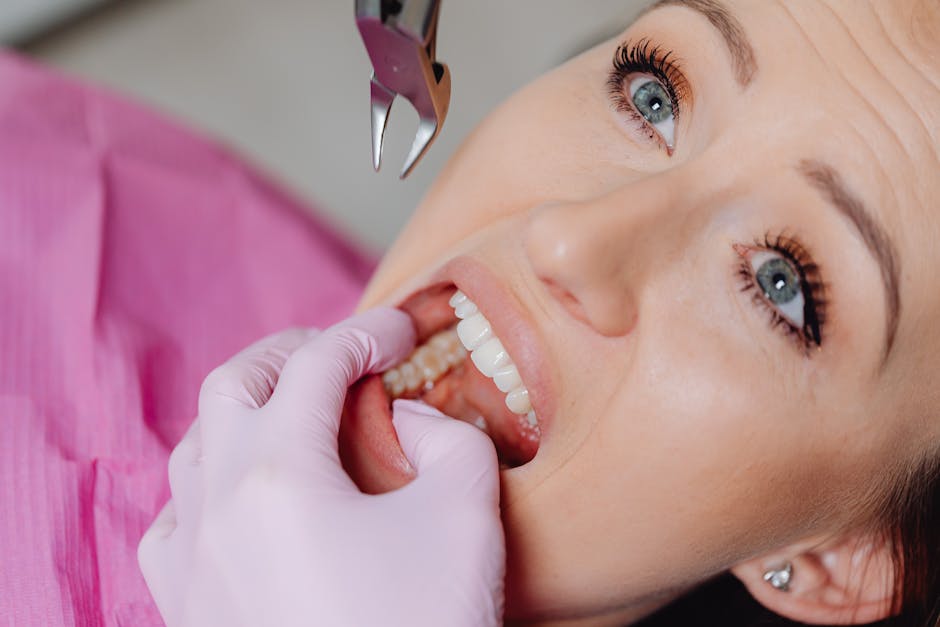
If you're unsure whether a crown is right for you, a consultation with an experienced dentist is the best first step. During your visit, your dentist will examine your tooth, take X-rays if needed, and discuss all available options—including whether a crown is truly necessary or if another treatment might work better.
Frequently asked questions
How much do dental crowns cost in Bhopal?
The cost of a crown in Bhopal typically ranges from ₹8,000 to ₹25,000 or more, depending on the material used (porcelain, ceramic, or zirconia), the complexity of the case, and the clinic's location and reputation. Zirconia crowns tend to be more expensive than porcelain-fused-to-metal but offer superior aesthetics and durability. At your consultation, we'll provide a transparent quote and discuss financing options if needed.
How long does a crown last?
With proper care—including good oral hygiene, regular checkups, and avoiding habits like grinding your teeth or chewing ice—a crown can last 10
Interested in treatment at Titanium Smiles?
Check our available slots for Bhopal patients →Dr. Tarun Pandey
BDS, MDS (ORTHODONTICS)
Specialist in Orthodontics & Invisible Braces and 15+ Years of Experience