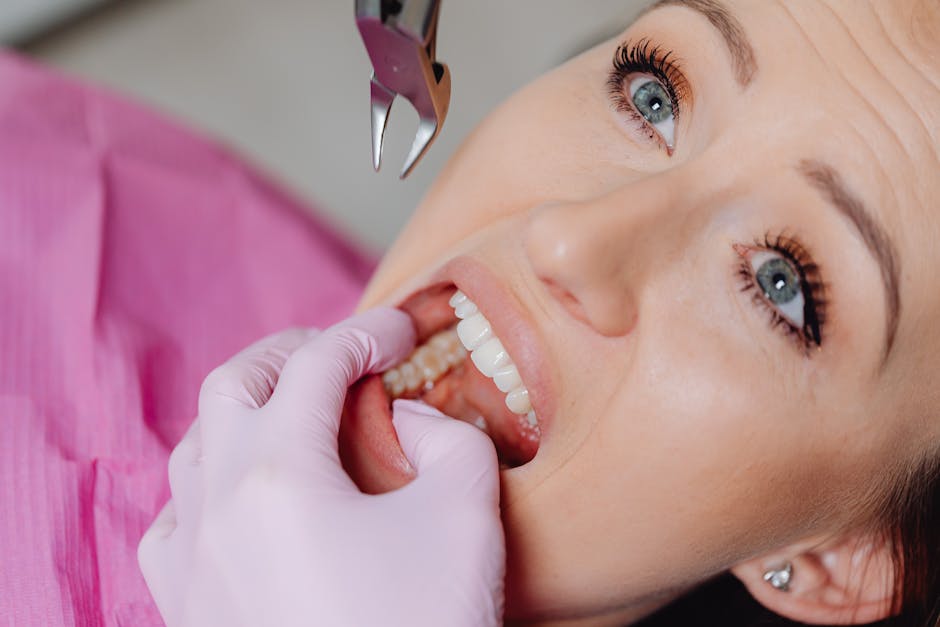
Is Root Canal Treatment Painful? What You Need to Know in Bhopal

Dr. Tarun Pandey
BDS, MDS (ORTHODONTICS) · Bhopal

When I tell patients they need a root canal treatment, I often see their face tense up. The procedure carries a reputation for being one of the most uncomfortable dental experiences—but here's what I want you to know after 15+ years of treating patients in Bhopal: that reputation is largely outdated.
Modern root canal therapy is nothing like the horror stories you may have heard. With today's advanced anesthetics, rotary instruments, and refined techniques, the experience is far more comfortable than the severe tooth pain that brought you to the dentist in the first place.
Let me walk you through what actually happens during a root canal, why pain management is so effective now, and what you can realistically expect when you visit Titanium Smiles for treatment.
Understanding Why Root Canals Have a Bad Reputation
The fear around root canals usually comes from two places: old information and misunderstanding what causes the pain.
Here's the truth: the pain patients experience before a root canal is caused by an infected or inflamed nerve inside the tooth. That's the real culprit. A root canal doesn't cause pain—it stops the pain by removing the infected tissue and sealing the space.
When I perform a root canal, the first thing I do is numb the area completely using local anesthesia, just like for a filling. The tooth and surrounding tissues are thoroughly anesthetized before I even begin. What patients sometimes confuse is the pressure or vibration they feel during the procedure—not pain, but sensation.
Think of it this way: you're numb, but you're still aware that something is happening. That's normal and expected.
What Happens During Root Canal Treatment: Step by Step
Understanding the process helps ease anxiety. Here's exactly what occurs during a root canal at our clinic:
1. Diagnosis and Anesthesia
We start with digital imaging to assess the tooth's root structure. Once we confirm you need treatment, we apply a topical numbing gel to the area, then inject local anesthetic. You'll feel pressure during injection, but no sharp pain. We wait a few minutes to ensure complete numbness.
2. Isolation and Access
I place a rubber dam around the tooth to keep it dry and isolated. This also prevents you from accidentally swallowing instruments or debris. The access opening is created using a dental handpiece—you'll hear the drill sound and feel vibration, but no pain.
3. Cleaning and Shaping
Using rotary instruments called files, I carefully remove the infected or inflamed pulp tissue from inside the tooth. Modern files are flexible and precise, making this process gentler than older manual techniques. You may feel pressure and hear the handpiece, but the anesthesia keeps you comfortable.
4. Irrigation and Disinfection
The canal is flushed with antimicrobial solutions to eliminate bacteria and ensure a sterile environment. This is painless.
5. Obturation (Filling)
Once the canal is clean and shaped, I fill it with a biocompatible material called gutta-percha—a rubber-like substance—along with sealer cement. This seals the space and prevents reinfection.
6. Restoration
After the root canal is complete, the tooth needs a crown or permanent restoration to protect it. We often place a temporary filling first and schedule the crown placement for a later appointment.
The entire procedure typically takes 45 minutes to 2 hours, depending on tooth complexity.
Modern Pain Management Techniques
What makes root canal treatment comfortable today is the combination of several advances:
Effective local anesthetics: Modern agents like articaine and lidocaine with epinephrine provide profound numbness that lasts throughout the procedure.
Rotary instrumentation: Electronic files are gentler, faster, and more efficient than manual files, reducing treatment time and trauma.
Apex locators: Digital devices ensure we remove tissue only to the correct depth, avoiding over-instrumentation that can cause discomfort.
Ultrasonic activation: Helps clean canals more thoroughly without aggressive manipulation.
Nitrous oxide (laughing gas): Available for anxious patients, this sedative helps you relax during treatment.
If you're particularly anxious about dental procedures, let us know when you book. We can discuss sedation options or take extra time during your appointment to ensure you're comfortable.
Typical Cost Range for Root Canal Treatment in Bhopal
Root canal treatment costs in Bhopal vary based on several factors, but here's what you can generally expect:
Single-rooted teeth (like front teeth): ₹3,000 to ₹6,000
Multi-rooted teeth (like molars): ₹5,000 to ₹10,000
At Titanium Smiles, we provide transparent pricing with no hidden charges. The cost includes the root canal procedure itself, but does not typically include the crown or permanent restoration placed afterward, which ranges from ₹5,000 to ₹15,000 depending on material and complexity.
What Drives the Price Up or Down
Several factors influence the final cost of your root canal treatment:
Tooth location and anatomy: Molars with three or four canals cost more than single-canal teeth. Curved or calcified canals require more time and expertise.
Severity of infection: Teeth with large abscesses or significant inflammation may need additional treatment steps.
Retreatment cases: If you've had a root canal before that failed, retreatment is more complex and costly.
Dentist experience: Specialists with advanced training and years of experience may charge more, but they also have higher success rates and handle complicated cases better.
Technology and materials: Clinics using digital imaging, rotary systems, and premium sealing materials may charge more—but the investment often means better outcomes and fewer complications.
Geographic location: Urban areas like central Bhopal near Arera Colony typically charge more than suburban locations.
At Titanium Smiles, we balance quality care with fair pricing, ensuring you receive expert treatment without unnecessary markup.
Hidden Fees Most Patients Miss
When budgeting for root canal treatment, watch out for these often-overlooked costs:
Diagnostic imaging: Digital X-rays or CBCT scans may add ₹500 to ₹2,000 to your bill.
Temporary filling materials: Some clinics charge separately for temporary restorations between appointments.
Retreatment or complications: If the first attempt doesn't fully resolve the infection, additional treatment may be needed.
Antibiotic or anti-inflammatory medications: Prescribed post-treatment to manage discomfort or infection.
Crown or permanent restoration: This is the biggest "hidden" cost. After root canal treatment, the tooth is weakened and needs a crown to protect it long-term. Budget ₹5,000 to ₹15,000 for this.
Follow-up visits: Occasionally, you may need additional appointments to monitor healing or adjust the restoration.
Always ask your dentist for an itemized treatment plan upfront. At Titanium Smiles, we provide detailed cost breakdowns so there are no surprises.
Insurance, EMI, and Payment Options
Managing the cost of root canal treatment is easier with flexible payment options:
Insurance Coverage
Most dental insurance plans cover 50% to 80% of root canal treatment costs under the "major procedures" category. Check your policy for:
- Waiting periods (some plans have 6- to 12-month waiting periods for major work)
- Annual maximums (many plans cap coverage at ₹50,000 to ₹1,00,000 per year)
- In-network vs. out-of-network provider benefits
Bring your insurance card to your consultation so we can verify your coverage.
EMI and Installment Plans
At Titanium Smiles, we partner with healthcare financing companies to offer flexible EMI options. You can spread the cost over 3, 6, or 12 months with minimal or zero interest, depending on the total amount.
Direct Payment Discounts
Paying in full upfront often qualifies you for a 5% to 10% discount at many clinics, including ours.
Corporate and Family Plans
Some employers offer dental benefits or group plans. Ask your HR department if your company participates.
Why Cheapest Isn't Always Best
I understand the temptation to choose the least expensive root canal treatment available. But here's what I've seen in my 15+ years of practice: cutting corners on root canal therapy often leads to failure, retreatment, and ultimately higher costs.
Consider this:
Incomplete cleaning: A rushed or under-equipped dentist may not fully remove infected tissue, leading to persistent pain or abscess formation.
Poor sealing: If the canal isn't properly sealed, bacteria re-enter and reinfection occurs within months or years.
Missed canals: Teeth sometimes have extra canals that are easy to miss. If a canal is left untreated, the infection continues.
Interested in treatment at Titanium Smiles?
Check our available slots for Bhopal patients →Dr. Tarun Pandey
BDS, MDS (ORTHODONTICS)
Specialist in Orthodontics & Invisible Braces and 15+ Years of Experience