Dental Bonding in Bhopal: Prevention, Early Warning Signs & Professional Treatment at Titanium Smiles

Dr. Tarun Pandey
BDS, MDS (ORTHODONTICS) · Bhopal

Dental bonding is one of the most accessible and versatile cosmetic dental treatments available today. Whether you're dealing with a chipped tooth from an accident, visible gaps between teeth, or stubborn discoloration that whitening alone won't fix, bonding offers a fast, cost-effective solution without requiring extensive tooth preparation.
At Titanium Smiles in Bhopal, we've helped hundreds of adult patients restore their smiles using advanced bonding techniques. Our team, led by Dr. Tarun Pandey—a specialist in orthodontics with over 15 years of clinical experience—understands that every smile is unique. This guide will walk you through everything you need to know about dental bonding, from how to prevent problems in the first place to what you can realistically expect after treatment.
How to prevent the need for dental bonding in Bhopal
The best way to avoid needing dental bonding is to protect your teeth from damage through daily care and smart lifestyle choices.
Dental bonding becomes necessary when your tooth structure is compromised. While genetics and accidents play a role, most damage is preventable with simple, consistent habits.
Daily Oral Hygiene Matters More Than You Think
Brush your teeth twice daily using a soft-bristled toothbrush and fluoride toothpaste. Many people brush too aggressively, which wears down enamel over time—the very thing that keeps teeth strong and resilient.
- Use gentle, circular motions rather than horizontal scrubbing
- Floss daily to remove food and plaque between teeth where your brush can't reach
- Rinse with an alcohol-free mouthwash after meals if brushing isn't possible
- Replace your toothbrush every three months, or sooner if bristles are frayed
Watch What You Eat and Drink
Your diet directly impacts tooth strength. Acidic foods and beverages soften enamel, making teeth more prone to chipping and cracking.
Common culprits include:
- Citrus fruits and juices
- Carbonated soft drinks and energy drinks
- Wine and vinegar-based dressings
- Excessive tea or coffee
After consuming acidic items, wait 30 minutes before brushing—brushing immediately can damage softened enamel. Drink water instead, and use a straw when consuming acidic beverages to minimize contact with your teeth.
Avoid Using Teeth as Tools
Your teeth are designed to chew food, not open bottles, tear tape, or crack nuts. Using teeth for non-eating purposes is one of the fastest ways to cause chips and cracks that require bonding repair.
Wear a Mouthguard During Sports
If you play contact sports or engage in activities with fall risk, a custom mouthguard is essential. At Titanium Smiles, we can fit you with a professional mouthguard that's comfortable and protective—far better than generic store-bought options.
Address Grinding and Clenching Immediately
Bruxism (teeth grinding) and jaw clenching, often stress-related, wear down tooth surfaces and cause cracks. If you notice flat wear patterns on your teeth or wake with jaw soreness, discuss this with your dentist. A custom nightguard can prevent further damage and the need for restorative work like bonding.
Early warning signs you shouldn't ignore
Small chips, visible cracks, or discolored spots are early signs that dental bonding or other restorative treatment may soon be needed.
Many patients ignore minor dental damage, assuming it's purely cosmetic. However, these warning signs often indicate deeper problems that can worsen over time.
Visible Chips or Cracks
Even tiny chips expose the softer dentin layer beneath your enamel. Bacteria can infiltrate these areas, leading to decay. What starts as a small cosmetic issue can become a cavity or worse if left untreated.
What to do: Schedule a consultation at Titanium Smiles as soon as you notice a chip or crack. Early intervention is simpler and less expensive than waiting for the damage to spread.
Persistent Discoloration
Discolored spots that don't respond to professional teeth cleaning may indicate:
- Internal staining (from trauma or aging)
- Early decay
- Bonding degradation (if you've had bonding done previously)
While professional teeth cleaning at our Bhopal clinic can remove surface stains, deeper discoloration often requires bonding or veneers to restore appearance.
Sharp Edges or Rough Texture
If your tooth feels sharp or rough on your tongue, the enamel has been compromised. This isn't just uncomfortable—it's a sign that the tooth structure is weakening.
Sensitivity to Temperature or Pressure
Sudden sensitivity where none existed before suggests enamel loss or a developing crack. The more exposed dentin becomes, the more sensitive the tooth will be.
Don't wait for problems to compound. A quick examination by Dr. Tarun Pandey can determine whether bonding or another treatment is your best option.
At-home care that actually works
Daily prevention practices combined with regular professional cleanings significantly reduce the risk of needing bonding and extend the life of existing bonded restorations.
If you already have bonded teeth, or if you're committed to preventing future bonding, these evidence-based practices make a real difference.
The Right Toothpaste and Technique
Use a toothpaste containing fluoride to strengthen enamel. Electric toothbrushes are often gentler and more effective than manual brushing, especially for people with sensitive gums.
- Brush for a full two minutes, twice daily
- Angle your brush 45 degrees toward the gumline
- Don't rinse vigorously after brushing—let fluoride sit on your teeth
Flossing Is Non-Negotiable
Most tooth decay starts between teeth where your brush can't reach. Water flossers are excellent alternatives if traditional floss feels awkward.
Limit Staining Habits
If you have bonded teeth, know that composite resin (the material used for bonding) stains more easily than natural tooth enamel. Reduce your intake of:
- Dark coffees and teas
- Red wine
- Tobacco products
- Dark-colored sauces
Stay Hydrated
Drinking plenty of water helps maintain saliva flow, which naturally protects teeth. Dry mouth increases decay risk significantly.
Attend Regular Cleanings
Professional teeth cleaning every six months removes tartar buildup that brushing alone cannot. For patients in Bhopal, scheduling appointments at Titanium Smiles ensures your bonding is monitored for wear and your overall oral health stays on track.
When prevention isn't enough: treatment options
If damage has already occurred or bonding becomes necessary, modern restorative options can restore both function and aesthetics quickly.
At Titanium Smiles, we offer multiple solutions depending on your specific situation and cosmetic goals.
What Is Dental Bonding?
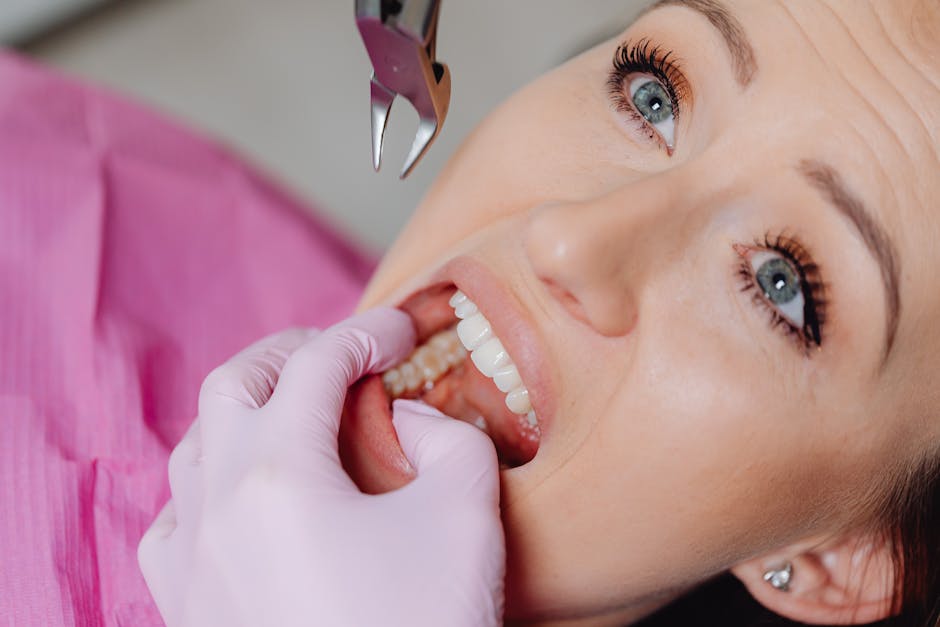
Dental bonding uses tooth-colored composite resin that's carefully shaped, hardened with a special light, and polished to match your natural teeth. It's an ideal solution for:
- Small to moderate chips or cracks
- Closing minor gaps between teeth
- Covering discoloration
- Reshaping teeth for a more balanced smile
- Protecting exposed root surfaces
The bonding process typically takes 30 to 60 minutes per tooth and requires no numbing for cosmetic applications. If decay is involved, local anesthesia ensures comfort during removal and filling.
How Bonding Compares to Other Options
Laminates and Veneers require more tooth structure removal but offer superior stain resistance and durability (10–15 years versus 5–7 years for bonding).
Crowns and Bridges are recommended when damage is extensive or when structural support is needed.
Teeth whitening works alongside bonding for patients with discoloration—we can whiten natural teeth, then bond to match the new shade.
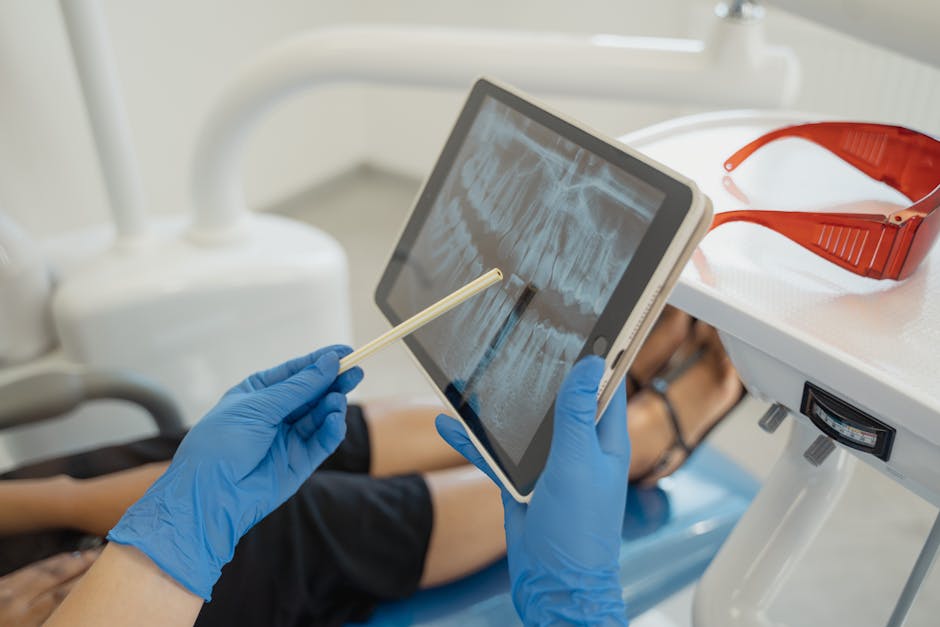
At Titanium Smiles, Dr. Tarun Pandey will examine your teeth and recommend the most appropriate treatment. For many patients, especially those seeking quick, affordable solutions, bonding is the perfect choice.
The Bonding Procedure at Titanium Smiles
Our process is straightforward and patient-friendly:
- Preparation – We clean the tooth and lightly etch the surface to help the bonding material adhere
- Application – Composite resin is carefully applied and shaped to match your tooth contour
- Curing – A blue light hardens the material
- Finishing – We polish and adjust the bonded tooth to blend seamlessly with surrounding teeth
- Bite Check – We ensure your bite feels natural
No advance preparation or recovery time is needed. You can eat and drink normally after bonding.
Long-term outcomes to expect
**Dental bonding typically lasts 5 to 7 years with proper care, though some restorations
Interested in treatment at Titanium Smiles?
Check our available slots for Bhopal patients →Dr. Tarun Pandey
BDS, MDS (ORTHODONTICS)
Specialist in Orthodontics & Invisible Braces and 15+ Years of Experience