Sleep Dentistry in Bhopal: Your Complete Guide to Anxiety-Free Dental Care

Dr. Tarun Pandey
BDS, MDS (ORTHODONTICS) · Bhopal

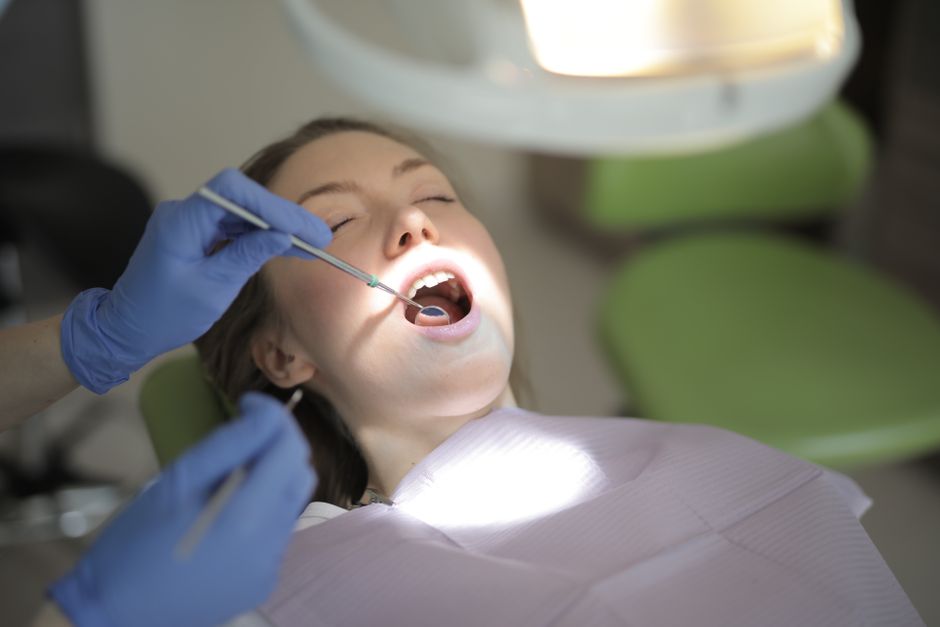
If you've been putting off dental visits because of anxiety or fear, you're not alone. Many adults in Bhopal avoid the dentist for years, allowing small problems to become serious ones. Sleep dentistry—also called sedation dentistry—offers a solution that lets you receive the care you need while remaining calm and comfortable.
At Titanium Smiles, we understand dental anxiety is real and valid. This guide will help you understand whether sleep dentistry is right for you, how to prevent dental emergencies in the first place, and what happens during treatment.
How to prevent the need for sleep dentistry in Bhopal
The best dental care is prevention. While sleep dentistry is valuable for anxious patients, the ideal scenario is avoiding complex procedures altogether.
Here's what actually works:
Brush twice daily with fluoride toothpaste for two minutes. Use a soft-bristled toothbrush and gentle circular motions near the gum line.
Floss every single day. This reaches 40% of your tooth surface that your toothbrush cannot access. Skipping floss allows plaque to harden into tartar, which only a professional can remove.
Visit your dentist every six months for professional cleaning and checkup. Waiting longer allows cavities to develop undetected and gum disease to progress silently.
Limit sugary foods and drinks. Bacteria in your mouth feed on sugar and produce acid that attacks enamel. If you consume sweets, do it during meals rather than throughout the day, and rinse your mouth afterward.
Drink water instead of sodas and energy drinks. Even diet versions are acidic and damage enamel over time.
Don't use your teeth as tools. Opening bottles or packages with your teeth can crack enamel and cause fractures that require crowns or root canal treatment.
Wear a mouthguard if you grind your teeth at night. Grinding wears down enamel and can require expensive restorative work like crowns, bridges, or even dental implants later.
Quit smoking and limit alcohol. Both increase gum disease risk and tooth loss significantly.
When you maintain these habits, you dramatically reduce the likelihood of needing complex procedures that may require sleep dentistry. Prevention is always easier and more cost-effective than treatment.
Early warning signs you shouldn't ignore
Many dental problems develop silently. By the time you notice pain, damage is often advanced. Watch for these red flags:
Persistent bad breath that doesn't improve with brushing or mouthwash. This often signals gum disease or decay.
Bleeding gums when you brush or floss. Healthy gums should never bleed. This is your mouth's way of signaling inflammation and bacterial infection.
Swelling, tenderness, or redness around any tooth or in your gums. This may indicate abscess, infection, or advanced decay.
Visible pits, dark spots, or discoloration on tooth surfaces. These are early signs of cavities.
Sensitivity to hot, cold, or sweet foods. This suggests enamel erosion or early decay reaching toward the nerve.
Loose or shifting teeth. This indicates bone loss from gum disease and requires professional evaluation.
Pain when chewing or biting down. This may mean a crack, cavity, or infection requiring root canal treatment.
Jaw pain, clicking, or difficulty opening your mouth fully. These suggest temporomandibular joint (TMJ) issues that worsen without treatment.
If you experience any of these signs, don't wait. Early intervention prevents progression and reduces the need for extensive treatment. Many patients delay because they're anxious—but that's exactly when sleep dentistry helps. You can address problems while they're manageable and then focus on prevention moving forward.
At-home care that actually works
Once you've established good prevention habits, your at-home routine becomes your strongest defense against dental problems.
Effective daily routine:
Brush for a full two minutes, twice daily. Most people brush for only 30–45 seconds, missing plaque buildup.
Use fluoride toothpaste designed for your specific need: sensitivity relief, gum health, whitening, or general cavity prevention.
Floss or use a water flosser daily. Interdental cleaning is non-negotiable for long-term health.
Consider an electric toothbrush if you have limited dexterity or gum disease. Studies show they remove more plaque than manual brushes.
Use an antimicrobial mouthwash if recommended by your dentist, especially if you have gum disease or are prone to cavities.
Clean your tongue with a tongue scraper to remove bacteria and freshen breath.
For specific concerns:
If you have sensitivity, use desensitizing toothpaste consistently for at least two weeks before expecting relief. The fluoride compounds in these products seal exposed root surfaces.
If you have gum disease, gentle brushing and daily flossing are critical. Aggressive brushing actually worsens gum recession, so use light pressure.
If you have existing dental work like crowns, bridges, or implants, extra care is needed. Floss under bridges gently, and avoid chewing hard foods that could damage restorations.
If you have visible staining, whitening toothpastes help maintain results after professional treatment but won't dramatically whiten teeth. Professional teeth whitening at Titanium Smiles provides lasting results that at-home products cannot achieve.
The key is consistency. Sporadic excellent care is less effective than daily adequate care. Build these habits into your routine so they require no willpower.
When prevention isn't enough: treatment options
Even with excellent prevention, some dental problems develop. This is where understanding your treatment options—and sleep dentistry—becomes important.
Common scenarios requiring professional treatment:
Cavities develop despite good hygiene. Bacteria and acids sometimes penetrate even with meticulous care. Treatment involves removing decay and placing a filling (composite or other materials). This is straightforward and typically doesn't require sedation, but anxious patients appreciate the option.
Gum disease (gingivitis or periodontitis) needs professional cleaning to remove tartar below the gum line. Your toothbrush cannot reach these areas. Professional cleaning costs ₹2,000–₹5,000 depending on extent. If disease is advanced, root planing and scaling may be needed under local anesthetic.
Root canal treatment becomes necessary when infection reaches the nerve inside your tooth. Symptoms include severe pain, swelling, or a pimple-like bump on the gum. Root canal treatment removes the infected nerve, and your tooth can be saved. Cost typically ranges ₹5,000–₹10,000. Many anxious patients request sleep dentistry for this procedure.
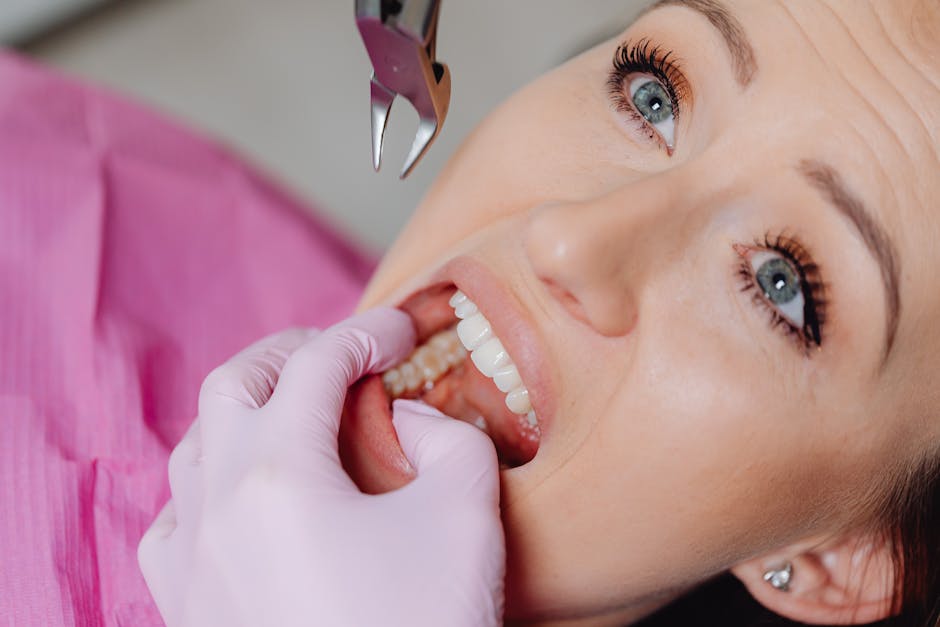
Tooth extraction is needed when decay or damage is irreversible. Simple extractions cost ₹1,500–₹3,000; surgical extractions for impacted or complex teeth run ₹3,000–₹7,000. Sleep dentistry is popular for extractions, especially multiple teeth.
Dental implants replace missing teeth with permanent, natural-looking restorations. This involves placing a titanium post into the jawbone, then attaching a crown. Cost per implant ranges ₹40,000–₹80,000. The procedure takes 6–8 months total (including bone healing). Sleep dentistry makes the implant placement surgery more comfortable.
Crowns and bridges restore damaged teeth or replace missing teeth. Crowns cover a single tooth; bridges span gaps between teeth. Cost ranges ₹8,000–₹20,000 per unit depending on material. These don't necessarily require sedation but are available if you're anxious.
Complete dentures replace all teeth when none are salvageable. Cost ranges ₹30,000–₹100,000 depending on quality and customization. Extraction and fitting don't require sleep dentistry, but anxious patients often request it.
What is sleep dentistry exactly?
Sleep dentistry uses sedation to help you relax during treatment. You remain conscious (in most cases) but deeply relaxed, with reduced awareness of time and procedures. You may not remember details of treatment afterward.
Common sedation levels:
Nitrous oxide (laughing gas): Mild sedation that takes effect quickly and wears off immediately. You remain alert but relaxed. Cost is included in most procedures.
Oral sedation: You take medication before your appointment that causes drowsiness. Effects last several hours. A companion must drive you home. Cost adds ₹3,000–₹5,000 to your procedure.
IV sedation: Medication administered directly into your bloodstream provides deeper relaxation. You'll have little to no memory of treatment. Requires special training to administer. Cost adds ₹5,000–₹10,000.
Who should consider sleep dentistry?
- You if you experience significant anxiety or phobia
Interested in treatment at Titanium Smiles?
Check our available slots for Bhopal patients →Dr. Tarun Pandey
BDS, MDS (ORTHODONTICS)
Specialist in Orthodontics & Invisible Braces and 15+ Years of Experience