Tooth Extraction in Bhopal: A Complete Guide to Prevention and Treatment

Dr. Tarun Pandey
BDS, MDS (ORTHODONTICS) · Bhopal

Losing a tooth can feel like a setback, but understanding why extractions happen and how to prevent them empowers you to make better decisions about your oral health. As a dental specialist with over 15 years of experience, I've seen countless adults in Bhopal struggle with this decision. The good news? Many extractions are preventable with the right knowledge and care.
In this guide, I'll walk you through the reality of tooth extraction in Bhopal—from the earliest warning signs to what happens after the procedure. Whether you're worried about a troublesome tooth or simply want to protect the ones you have, this information is written for you.
How to prevent the need for tooth extraction in Bhopal
The best tooth to save is one you already have. Prevention isn't just a motto—it's the most cost-effective and emotionally satisfying approach to dental health.
Consistent oral hygiene is your foundation.
Brush twice daily with a fluoride toothpaste using gentle, circular motions. Spend at least two minutes on your teeth, making sure to reach the gum line and the backs of your molars. Many adults brush too hard, thinking that equals better cleaning; in reality, aggressive brushing damages gum tissue and leads to recession.
Flossing is non-negotiable. I recommend traditional floss or water flossers—both work well if you use them daily. Plaque builds between teeth where your toothbrush can't reach, and that hidden buildup is a major driver of tooth loss in adults.
Schedule professional cleanings twice a year.
Even with perfect home care, tartar accumulation happens. Professional teeth cleaning removes what brushing cannot, preventing gum disease and the bone loss that follows. At Titanium Smiles, we use ultrasonic scalers and modern techniques to clean thoroughly without harming your teeth or gums.
Manage systemic health conditions.
Diabetes, heart disease, and autoimmune conditions increase your risk of gum disease and tooth loss. If you have any of these, work closely with your doctor and dentist to keep them controlled. The connection between your mouth and overall health is real and significant.
Address teeth grinding (bruxism).
If you wake with jaw pain, headaches, or notice flattened tooth surfaces, you're likely grinding your teeth at night. This habit wears down enamel and weakens teeth, making them vulnerable to cracks and decay. A custom night guard protects your teeth from this hidden damage.
Limit acidic foods and sugary drinks.
Soft drinks, citrus juices, and energy drinks bathe your teeth in acid, softening enamel over time. Once enamel weakens, decay accelerates. If you consume these items, rinse your mouth with water afterward and wait 30 minutes before brushing.
Don't smoke.
Smoking reduces blood flow to your gums, weakens your immune response, and dramatically increases your risk of gum disease and tooth loss. It's one of the most damaging habits for your teeth.
Early warning signs you shouldn't ignore
Catching problems early is the difference between saving a tooth and losing it. Please don't ignore these signals from your body.
Persistent tooth or gum pain.
Sharp, throbbing, or constant pain indicates something is wrong—usually deep decay or an infection. Some patients tough it out, hoping it will pass. It won't. Pain is your body's alarm system. The longer you wait, the more damage spreads.
Gum swelling, bleeding, or recession.
Healthy gums are pale pink and firm. If your gums bleed when you brush or floss, they're inflamed. If they're swollen or receding (pulling away from the tooth), gum disease is progressing. Early intervention can reverse mild gum disease; advanced disease often leads to extraction.
Looseness or movement.
A tooth that feels slightly loose when you bite or touch it means the supporting bone is compromised. This happens with gum disease or trauma. It's a clear signal that you need immediate professional evaluation.
Visible decay or dark spots.
Cavities start small but grow deeper into the tooth structure over months or years. What looks like a small dark spot on the surface may be a large cavity underneath. Regular checkups catch these before they reach the nerve.
Bad breath that doesn't improve with brushing.
Chronic bad breath often signals gum disease or tooth decay, not just poor hygiene. If mouthwash and better brushing don't help, schedule an appointment.
Sensitivity to hot, cold, or pressure.
Sensitivity can mean exposed root surfaces, enamel erosion, or decay approaching the nerve. Don't assume it's normal—it's worth investigating.
At-home care that actually works
Daily habits determine whether your teeth will last a lifetime or require extraction. Here's what truly makes a difference.
The right brushing technique matters.
Use a soft-bristled toothbrush and brush at a 45-degree angle to your gums. Use short, gentle strokes rather than aggressive scrubbing. Focus on the gum line, inner surfaces, and chewing surfaces. Electric toothbrushes with oscillating heads are excellent for patients who find manual brushing difficult.
Floss before brushing.
Flossing first loosens food and plaque between teeth, allowing your toothpaste to reach those areas more effectively. If you find traditional floss awkward, water flossers work beautifully and are easier to use consistently.
Choose a quality mouthwash.
An antimicrobial or fluoride rinse complements brushing and flossing but doesn't replace them. Use it after brushing, not as a standalone step.
Drink water throughout the day.
Water neutralizes acids, washes away food debris, and supports saliva production. Saliva is your mouth's natural defense system—it remineralizes early decay and fights bacteria. Dry mouth accelerates tooth loss, so stay hydrated.
Be intentional about your diet.
Hard candies, sticky sweets, and frequent snacking all harm teeth. If you eat sugary foods, do it with meals rather than throughout the day, and rinse afterward. Crunchy foods like apples and carrots naturally clean your teeth, so eat them freely.
Don't use your teeth as tools.
I've seen tooth extraction become necessary because patients used their teeth to open packages, crack nuts, or bend wire. Your teeth are designed for eating; protect them.
When prevention isn't enough: treatment options
Sometimes, despite excellent care, extraction becomes necessary. Before we reach that point, we explore every alternative.
Root canal treatment saves most teeth.
If decay reaches the nerve, you might assume extraction is required. Actually, root canal treatment removes the infected nerve and seals the tooth, allowing you to keep it. Modern techniques make this procedure far less intimidating than its reputation suggests. At Titanium Smiles, we use rotary instruments and local anesthesia to make the process comfortable. The entire procedure typically takes 60–90 minutes.
Gum disease can be treated without extraction.
Scaling and root planing (deep cleaning) removes tartar from below the gum line, allowing inflamed tissue to heal. Antibacterial rinses and improved home care support recovery. Only advanced cases requiring extraction need to proceed to that step.
Cracks and chips have solutions.
Depending on location and severity, we can restore teeth with composite bonding, crowns, or veneers rather than extracting them. These treatments preserve your natural tooth structure.
When extraction is truly necessary.
Some teeth are beyond saving: severe fractures below the gum line, hopeless decay, or advanced bone loss that no treatment can reverse. In these cases, extraction becomes the compassionate choice. It stops pain and infection and allows you to move forward with restoration.
The extraction procedure itself.
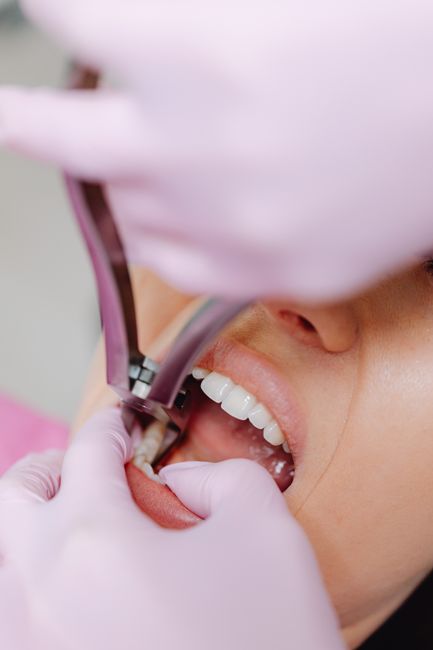
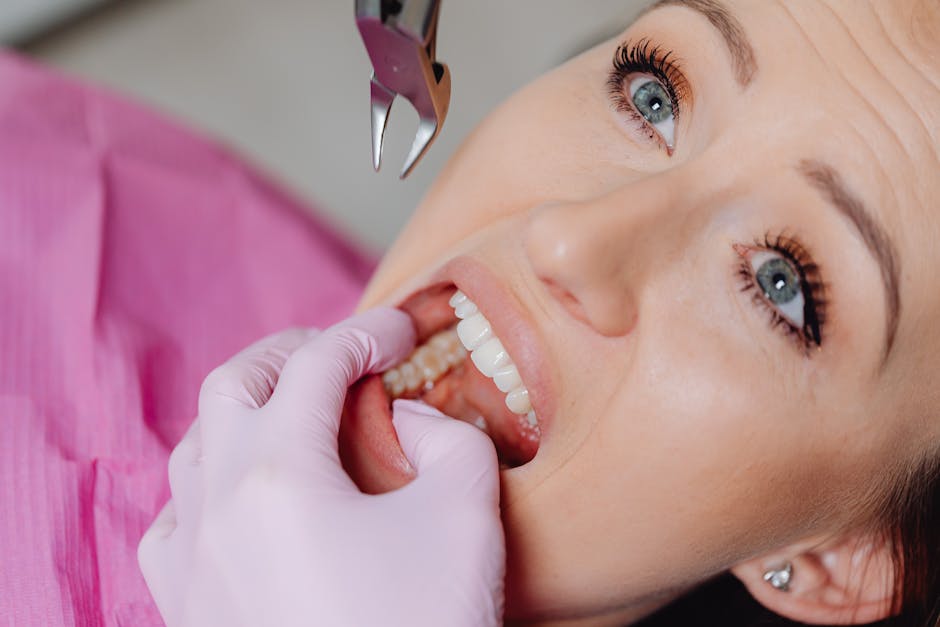
When extraction is decided, here's what to expect. Local anesthesia numbs the area thoroughly—you'll feel pressure but no sharp pain. Your dentist loosens the tooth with specialized instruments, then removes it carefully. For simple extractions, this takes 10–15 minutes. Complex extractions (impacted teeth, multiple roots) take longer and may require a surgical approach.
Recovery and healing.
After extraction, a blood clot forms in the socket—this is essential for healing. For the first 24 hours, avoid rinsing, spitting, smoking, or using straws, as these actions can dislodge the clot (a painful condition called dry socket). Swelling typically peaks on day two or three, then improves. Pain is usually mild and managed with over-the-counter painkillers. Most people return to normal activities within a few days.
Long-term outcomes to expect
After tooth extraction in Bhopal, your next step is restoration—filling the gap to maintain your bite and appearance.
Bone loss happens naturally after extraction.
When a tooth is lost, the bone supporting it gradually resorbs over months and years. This changes your facial structure and makes future restoration more complex. Early replacement slows this process significantly.
Dental implants are the gold standard.
An implant replaces both the visible tooth and the root, stimulating bone and preventing loss. The procedure involves placing a titanium post
Interested in treatment at Titanium Smiles?
Check our available slots for Bhopal patients →Dr. Tarun Pandey
BDS, MDS (ORTHODONTICS)
Specialist in Orthodontics & Invisible Braces and 15+ Years of Experience