Sleep Dentistry in Bhopal: Complete Guide for Anxious Patients at Titanium Smiles

Dr. Tarun Pandey
BDS, MDS (ORTHODONTICS) · Bhopal

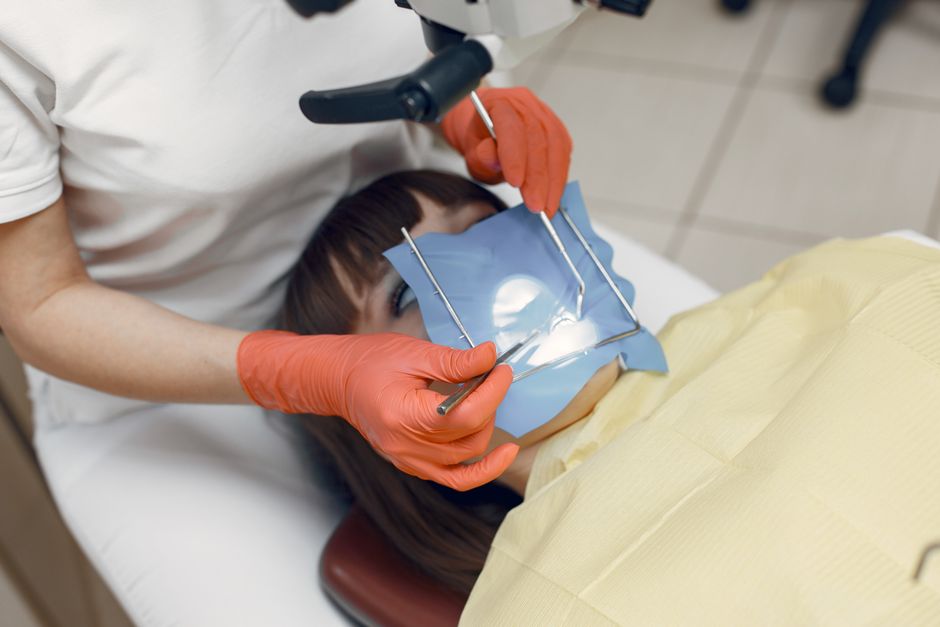
Dental anxiety affects millions of people, and for many adults in Bhopal, the fear of visiting a dentist has prevented them from getting necessary treatment for years. Sleep dentistry—also called sedation dentistry—offers a solution that allows you to receive comprehensive dental care while remaining calm and relaxed.
At Titanium Smiles in Bhopal, we understand that not everyone feels comfortable in the dental chair. Whether you're dealing with severe anxiety, a sensitive gag reflex, or simply want to complete multiple procedures in one visit, sleep dentistry can transform your dental experience.
This guide walks you through everything you need to know to decide if sleep dentistry is right for you, how to prepare, and what outcomes you can realistically expect.
How to prevent the need for sleep dentistry in Bhopal
The best approach to dental care is always prevention. Many patients seek sleep dentistry because they've delayed treatment due to anxiety, which has allowed dental problems to worsen. By maintaining consistent oral hygiene and regular checkups, you can avoid complex procedures that might otherwise require sedation.
Daily prevention habits:
- Brush your teeth twice daily with fluoride toothpaste for at least two minutes
- Floss every day to remove plaque between teeth and under the gumline
- Limit sugary foods and drinks, especially between meals
- Rinse your mouth with water after meals if brushing isn't possible
- Use an antimicrobial mouthwash if recommended by your dentist
Regular professional care:
- Schedule dental checkups every six months, or more frequently if you have risk factors
- Get professional teeth cleaning to remove tartar buildup that home care cannot address
- Discuss any new symptoms or concerns immediately—small problems are easier to treat
Addressing anxiety early:
If dental anxiety is preventing you from seeking care, talk to your dentist before a crisis develops. At Titanium Smiles, we offer consultations where you can discuss your fears and learn about sedation options without commitment. This proactive approach often prevents the need for emergency procedures that would definitely require sedation.
Many patients who maintain consistent preventive care never need sleep dentistry at all. However, if you're an adult with existing dental neglect or complex treatment needs, understanding your options becomes essential.
Early warning signs you shouldn't ignore
Certain dental problems progress rapidly and become more difficult—and more expensive—to treat if left unattended. If you experience any of these warning signs, scheduling a consultation is urgent, whether or not you think you'll need sedation.
Signs requiring prompt attention:
- Persistent tooth pain or sensitivity that lasts more than a few days
- Swelling in your face, jaw, or gums
- Bleeding gums, especially during brushing
- Loose or shifting teeth
- Visible decay, dark spots, or holes in teeth
- Chronic bad breath that doesn't improve with brushing
- Difficulty chewing or jaw pain when opening your mouth
These symptoms often indicate infections, advanced decay, or structural damage. The longer you wait, the more complex the treatment becomes. For anxious patients, this means a simple filling that could be done under local anesthesia alone might escalate into a root canal or extraction requiring deeper sedation.
If you're in Bhopal and experiencing any of these issues, emergency dental care should not be delayed. Sleep dentistry can help you address these problems without the stress that's kept you away from the dentist in the past.
At-home care that actually works
Once you've committed to preventing future dental problems, the daily habits you choose make an enormous difference. Generic advice to "brush and floss" doesn't work for everyone, so here's what actually makes a difference for adults managing anxiety about dental health.
Effective brushing technique:
- Use a soft-bristled toothbrush or electric toothbrush
- Angle the brush at 45 degrees toward the gumline
- Use gentle, circular motions rather than aggressive scrubbing
- Spend 30 seconds on each quadrant of your mouth (upper left, upper right, lower left, lower right)
- Don't rinse immediately after brushing—let the fluoride remain on your teeth
Flossing that you'll actually do:
- Choose a floss type you genuinely like (waxed, unwaxed, tape, or water flosser)
- Floss at the same time each day to build habit
- Use an up-and-down motion against each tooth surface, not just between teeth
- If traditional floss is difficult, water flossers are equally effective and easier for many people
Dietary choices that protect your teeth:
- Drink water instead of sugary drinks and acidic beverages
- If you consume coffee, tea, or wine, drink through a straw to minimize tooth contact
- Eat crunchy vegetables and fruits that naturally clean your teeth
- Avoid sticky candies and frequent snacking, which feed decay-causing bacteria
Managing dry mouth:
- Stay hydrated throughout the day
- Chew sugar-free gum if your dentist approves
- Avoid alcohol and tobacco, which worsen dry mouth
- Ask your doctor if any medications you take cause dry mouth
These habits compound over time. Patients who maintain them consistently rarely need complex procedures and therefore rarely need sleep dentistry. However, life happens—illness, stress, medications, and other factors sometimes derail even the best intentions.
When prevention isn't enough: treatment options
If you're an adult in Bhopal with existing dental problems, prevention alone won't solve them. At this point, understanding your treatment options—including sleep dentistry—becomes crucial for your health and comfort.
Why adults often need sleep dentistry:
- Years of dental neglect have created multiple problems requiring extensive work
- Anxiety has prevented treatment, allowing small issues to become large ones
- Complex procedures like dental implants, root canal treatment, or full mouth rehabilitation benefit from sedation
- Medical conditions or medications affect how you tolerate dental procedures
- You want to complete multiple treatments in fewer visits
Sleep dentistry levels at Titanium Smiles:
The depth of sedation varies depending on your anxiety level and the complexity of your treatment. Your dentist will discuss which level is appropriate for you.
Minimal sedation (nitrous oxide): You remain awake but deeply relaxed. Your dentist controls the level throughout the procedure. You can respond to questions and drive home after recovery. This works well for patients with mild to moderate anxiety.
Moderate sedation: You may drift in and out of consciousness but can respond to stimulation. Time passes quickly, and you'll have limited memory of the procedure. You cannot drive for 24 hours afterward.
Deep sedation: You're nearly unconscious and cannot be easily awakened. An anesthesiologist or trained sedation specialist monitors you throughout. This is reserved for complex procedures or severe anxiety. Recovery takes longer, and you'll need someone to drive you home.
Comprehensive treatment planning:
At Titanium Smiles, Dr. Tarun Pandey and our team will conduct a thorough evaluation of your dental needs before recommending sleep dentistry. This assessment includes:
- A complete oral examination and X-rays
- Discussion of your anxiety triggers and medical history
- Review of medications and allergies
- Assessment of which procedures you need and their complexity
- Honest conversation about what sedation level is appropriate
Services offered with sleep dentistry support:
- Root canal treatment for infected teeth
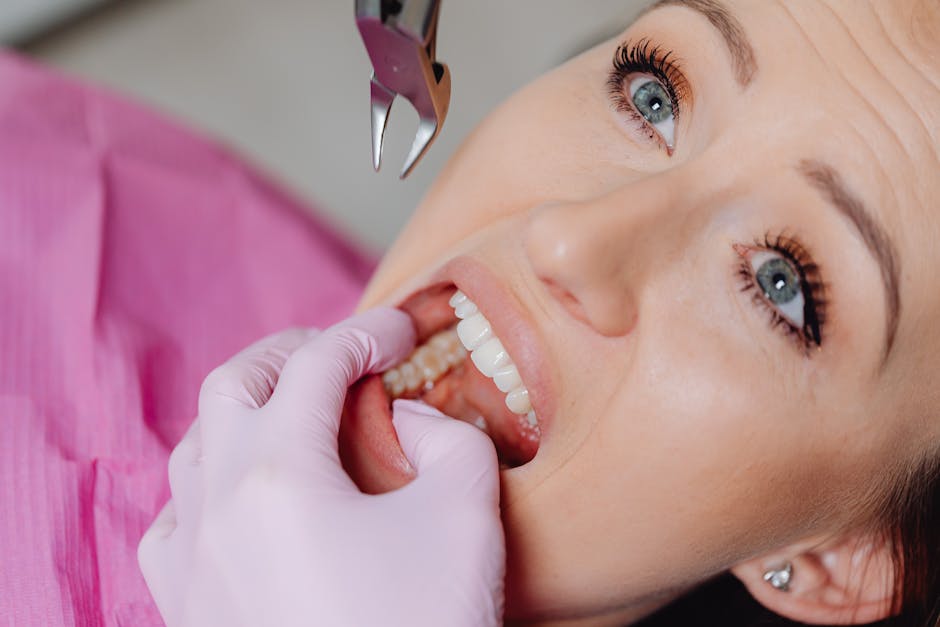
- Tooth extraction for severely decayed or damaged teeth
- Dental implants as a permanent replacement for missing teeth
- Professional teeth cleaning for patients with severe buildup
- Complete dentures for those missing multiple or all teeth
- Crowns and bridges to restore damaged teeth
- Teeth whitening and cosmetic procedures
- Laminates and veneers for smile enhancement
Many patients benefit from addressing multiple problems in coordinated visits under sedation rather than multiple separate appointments while anxious.
Long-term outcomes to expect
Understanding realistic outcomes helps you make informed decisions about sleep dentistry. Your results depend on the specific treatments you receive, your commitment to aftercare, and your ongoing preventive habits.
Immediate post-procedure expectations:
- Some grogginess and drowsiness for several hours after sedation
- Possible mild swelling or soreness depending on the procedure
- Temporary numbness in your mouth and face
- Nausea is rare but can occur with deeper sedation
- You'll need 24 hours before driving or operating machinery
Recovery timeline by procedure:
Simple procedures like fillings or professional cleaning show results immediately with minimal recovery. More complex work like root canal treatment or extractions may require several days of discomfort and dietary modifications. Dental implants involve a healing period of several months before the final restoration.
Long-term success:
The success of your dental treatment depends far more on your aftercare than on the procedure itself. A root canal treatment has excellent long-term outcomes if you maintain good oral hygiene and return for regular checkups. Dental implants can last 15+ years with proper care. Cosmetic treatments like teeth whit
Frequently Asked Questions
What is the cost of sleep dentistry at Titanium Smiles in Bhopal?
The cost of sleep dentistry at Titanium Smiles typically ranges from ₹5,000 to ₹15,000, depending on the complexity of the procedure. It's best to consult with our team for a personalized quote based on your specific needs.
How long does recovery take after a sleep dentistry procedure?
Recovery time after a sleep dentistry procedure is generally quick, with most patients feeling back to normal within a few hours. However, some may experience mild grogginess or discomfort, which usually resolves within a day.
Who should consider sleep dentistry?
Sleep dentistry is ideal for patients with dental anxiety, those undergoing extensive procedures, or individuals who have difficulty sitting still in the dental chair. It helps create a more relaxed environment for those who may be fearful of dental treatments.
What should I expect during the sleep dentistry procedure?
During the procedure, you will be administered a sedative to help you relax while the dentist works on your teeth. You’ll be closely monitored throughout the process to ensure your comfort and safety, and you may have little to no memory of the treatment afterward.
Interested in treatment at Titanium Smiles?
Check our available slots for Bhopal patients →Dr. Tarun Pandey
BDS, MDS (ORTHODONTICS)
Specialist in Orthodontics & Invisible Braces and 15+ Years of Experience