Dental Implants in Bhopal: Complete Guide to Cost, Recovery & Expert Treatment

Dr. Tarun Pandey
BDS, MDS (ORTHODONTICS) · Bhopal

Missing teeth affect more than just your appearance. They impact how you eat, speak, and feel about yourself. In Bhopal, dental implants have become the gold standard for replacing missing teeth—and for good reason.
Dental implants offer a permanent solution with a 95–98% success rate over 10 years, according to clinical data. Unlike removable dentures or bridges, implants function like natural teeth and preserve your jawbone. But before you commit, you deserve to understand the entire process: what happens during treatment, how long recovery takes, what it costs, and whether it's right for you.
This guide walks you through everything you need to know about dental implants in Bhopal, with practical insights from Dr. Tarun Pandey, a specialist with 15+ years of experience in restorative dentistry at Titanium Smiles.
Why patients in Bhopal ask about this
Tooth loss is surprisingly common. By age 50, the average Indian adult has lost at least one permanent tooth. The causes vary—decay, gum disease, injury, or extraction due to other dental problems like impacted wisdom teeth.
When you lose a tooth, your jawbone begins to shrink. Within the first year, you lose approximately 25% of bone width at the extraction site. This affects not just your bite but also your facial structure and appearance over time.
Patients in Bhopal often explore three main options:
- Removable dentures: affordable but require daily removal and maintenance
- Dental bridges: fixed but require grinding down adjacent healthy teeth
- Dental implants: permanent, preserve bone, and function like natural teeth
Dental implants are increasingly popular because they don't compromise neighboring teeth. In India, implant costs have become more accessible, with quality treatment available at ₹25,000 to ₹40,000 per implant in metropolitan and tier-2 cities like Bhopal.
Many patients also ask whether implants work alongside other restorative treatments. The answer is yes—implants can be combined with crowns and bridges or used as anchors for dentures.
What to expect step-by-step
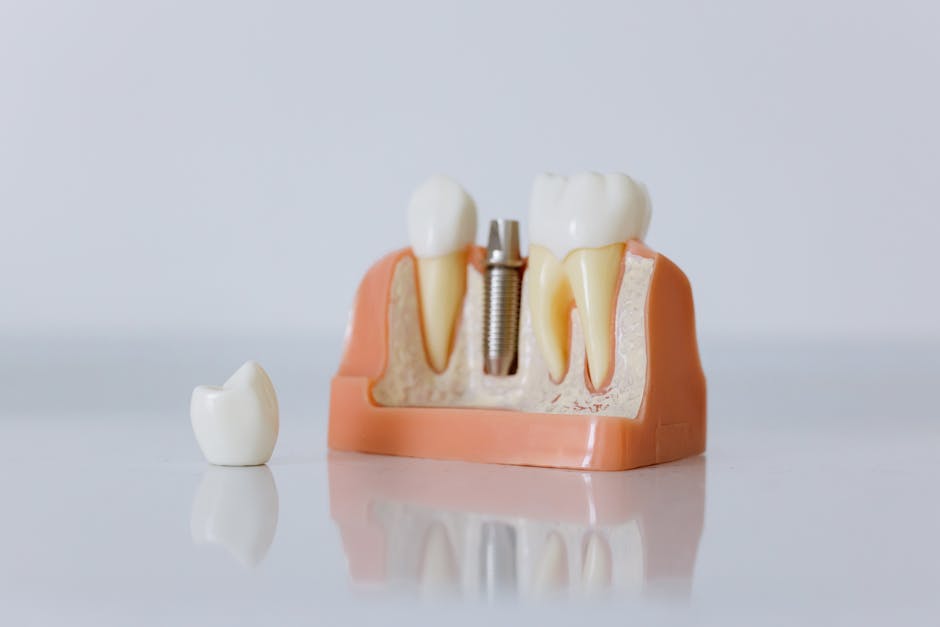
A dental implant is a three-part system: the titanium screw (implant), the abutment (connector), and the crown (visible tooth). The process unfolds over several months.
Phase 1: Assessment and Planning (Week 1)
Your first visit includes a thorough examination and imaging. Dr. Tarun Pandey will take X-rays and possibly a 3D CBCT scan to evaluate bone density and quality. This determines whether you need bone grafting before implant placement.
You'll discuss your medical history—conditions like diabetes or osteoporosis, or medications that affect bone healing, require special consideration. If you smoke or have active gum disease, these must be addressed first.
Phase 2: Bone Grafting (if needed) – 3 to 6 months
Not all patients need grafting. But if your jawbone is too thin or weak, a graft uses bone from another area of your mouth, a donor, or synthetic material to build volume. This phase adds 3–6 months to your timeline.
Phase 3: Implant Placement Surgery (1–2 hours)
Under local anesthesia (or sedation, if you prefer), the dentist creates a small opening in your gum and jawbone. The titanium implant screw is carefully inserted to serve as an artificial root.
A temporary cover screw protects the implant, and the gum is closed over it. You'll receive post-operative instructions and pain management guidance.
Phase 4: Osseointegration (3 to 6 months)
This is the critical waiting period. Your bone fuses with the titanium implant—a process called osseointegration. During this time, you'll wear a temporary replacement tooth if needed.
Regular check-ups ensure healing is on track. Most patients experience minimal discomfort after the first week.
Phase 5: Abutment Placement (1–2 weeks)
Once osseointegration is complete, a second minor surgery exposes the implant. An abutment (connector post) is attached. This usually heals in 1–2 weeks.
Phase 6: Crown Placement (1–2 weeks)
Your dentist takes impressions and crafts a custom crown to match your natural teeth. The crown is then attached to the abutment. You now have a fully functional artificial tooth.
Recovery, aftercare and timelines
Immediate Recovery (Days 1–7)
Expect mild swelling, bruising, and discomfort at the implant site. Most patients manage pain with over-the-counter pain relievers or prescribed medication.
You may notice slight bleeding or oozing—this is normal. Avoid rinsing, spitting, or using straws for the first 24 hours to protect the surgical site.
First Two Weeks
Stick to soft foods: yogurt, soup, mashed potatoes, scrambled eggs, and smoothies. Avoid hot foods and drinks for the first week.
Sleep with your head elevated to reduce swelling. Apply ice packs for 15 minutes on, 15 minutes off, during the first 48 hours.
Weeks 3–8
Swelling and bruising subside. You can gradually return to normal eating, but avoid hard, sticky, or crunchy foods until your dentist gives the all-clear.
Continue gentle oral hygiene. Brush and floss carefully around the implant site.
Months 3–6 (Osseointegration)
This is the longest phase, but it's happening invisibly. Your bone is fusing with the implant. Avoid smoking and heavy exercise during this period, as both can disrupt healing.
After Crown Placement
You can eat and chew normally once the crown is in place. Treat your implant like a natural tooth: brush twice daily, floss, and attend regular dental check-ups.
Total Timeline: 5 to 9 months from start to finish, depending on whether bone grafting is needed.
Costs and what affects them
In Bhopal, a single dental implant typically costs between ₹25,000 and ₹40,000. This usually covers the implant screw and placement surgery, but not the abutment or crown.
Here's a typical breakdown:
- Implant screw placement: ₹20,000–₹30,000
- Abutment: ₹5,000–₹10,000
- Crown (ceramic or porcelain): ₹8,000–₹15,000
- Total for one implant: ₹33,000–₹55,000
Factors that increase cost:
- Bone grafting (₹10,000–₹20,000 additional)
- Complex anatomy or limited bone height
- Premium crown materials (zirconia vs. porcelain)
- Sedation or general anesthesia
- Multiple implants
Factors that reduce cost:
- Good bone density (no grafting needed)
- Standard crown materials
- Multiple implants (slight per-implant discount)
Many dental clinics in Bhopal offer flexible payment plans. Ask about EMI options or insurance coverage—some health policies partially cover implant treatment.
How Titanium Smiles approaches this treatment
At Titanium Smiles in Arera Colony, near Gastrocare Hospital, Dr. Tarun Pandey brings 15+ years of specialized experience in restorative dentistry. His approach combines precision planning with patient comfort.
Comprehensive Assessment
Every implant journey begins with detailed imaging and a thorough consultation. Dr. Pandey evaluates bone quality, discusses your expectations, and creates a personalized treatment plan. This ensures realistic outcomes and minimizes surprises.
Advanced Imaging
3D CBCT scans allow precise implant placement, reducing complications and improving long-term success. This technology is standard at Titanium Smiles, not an add-on.
Expertise Beyond Implants
Dr. Pandey's specialty in orthodontics and invisible braces means he understands bite alignment intimately. If your missing tooth has shifted your bite, he addresses this alongside implant treatment. This holistic approach prevents future problems.
Seamless Restorative Care
Titanium Smiles offers a full range of restorative services under one roof. Whether you need tooth extraction, bone grafting, or a crown, continuity of care is guaranteed.
Patient-Centered Comfort
Pain management, sedation options, and clear communication are priorities. You'll receive detailed aftercare instructions and have direct access to
Frequently Asked Questions
What is the cost of dental implants in Bhopal?
The cost of dental implants at Titanium Smiles in Bhopal typically ranges from ₹30,000 to ₹50,000 per implant, depending on the complexity of the case and the materials used. It’s best to consult with our team for a personalized estimate based on your specific needs.
How long does recovery from dental implant surgery take?
Recovery from dental implant surgery usually takes about 3 to 6 months. This period allows the implants to properly fuse with the jawbone, but many patients can resume normal activities within a week after the procedure.
Who is a good candidate for dental implants?
Good candidates for dental implants are individuals with missing teeth who have sufficient jawbone density and healthy gums. A consultation at Titanium Smiles can help determine if dental implants are the right solution for you.
What should I expect during the dental implant procedure?
During the dental implant procedure, you will receive local anesthesia to ensure comfort. The dentist will place the implant into the jawbone, which may be followed by some minor discomfort, but the process is generally well-tolerated by patients.
Interested in treatment at Titanium Smiles?
Check our available slots for Bhopal patients →Dr. Tarun Pandey
BDS, MDS (ORTHODONTICS)
Specialist in Orthodontics & Invisible Braces and 15+ Years of Experience