Symptoms That Indicate You Need a Root Canal in Bhopal

Dr. Tarun Pandey
BDS, MDS (ORTHODONTICS) · Bhopal

If you're experiencing persistent tooth pain or sensitivity, you may be wondering whether a root canal is necessary. As someone who has spent over 15 years treating patients in Bhopal, I've seen countless adults delay treatment because they weren't sure what symptoms actually warrant a root canal. The truth is, recognizing these warning signs early can save you significant pain—and your natural tooth.
This guide walks you through the real symptoms that indicate you need a root canal, separates fact from fiction, and explains what to expect if you're a candidate for treatment in Bhopal.
Common myths about Symptoms that indicate you need a root canal in Bhopal (and the truth)
Myth 1: All tooth pain means you need a root canal.
This is the biggest misunderstanding I encounter. Not every toothache requires root canal treatment. Tooth sensitivity to cold, occasional sharp pain when chewing hard foods, or mild discomfort after dental work are usually temporary and don't signal pulp damage. True pulp issues produce specific symptoms that we'll cover in a moment.
Myth 2: Root canals are only for severe pain.
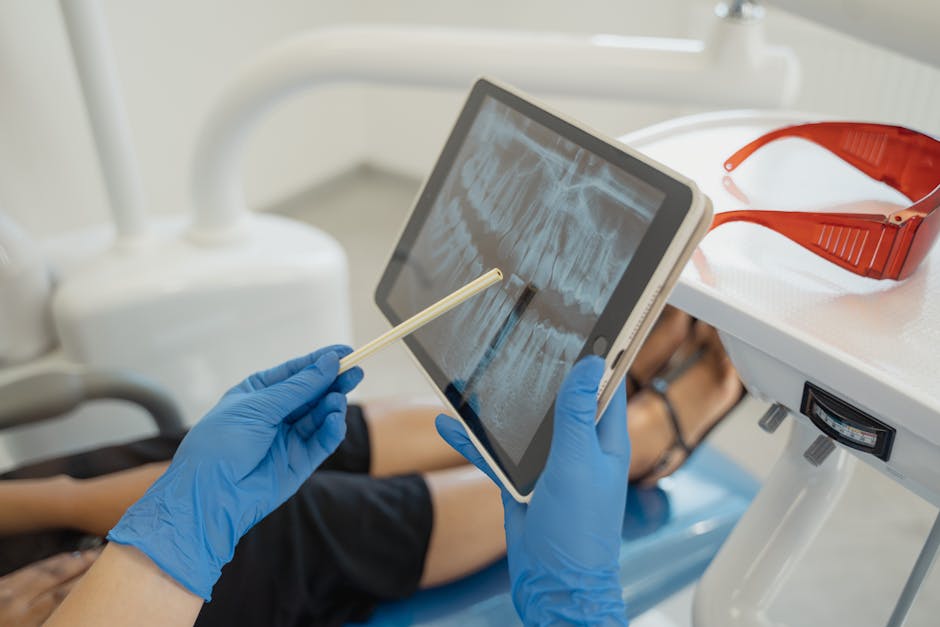
In reality, some teeth requiring root canal treatment cause no pain at all. A tooth can have a dying or dead pulp chamber without sending pain signals to your brain. This is why regular dental check-ups matter—your dentist can spot these issues before symptoms develop. At Titanium Smiles, we use digital imaging to identify pulpal problems early, which often prevents the need for emergency treatment.
Myth 3: If it doesn't hurt, the tooth is fine.
Your tooth might look and feel normal on the outside while the nerve inside is infected or damaged. A cavity that reaches the pulp, previous trauma to the tooth, or repeated dental procedures can compromise the nerve without obvious pain. This is especially true as we age—adult patients sometimes have silent infections that only show up on examination.
Myth 4: You'll know immediately if you need a root canal.
Symptoms often develop gradually. You might notice mild sensitivity that worsens over weeks, or a recurring ache that comes and goes. Some patients don't realize something's wrong until an abscess forms and causes swelling.
Real risks vs imagined ones
Let me clarify what actually puts your tooth at risk of needing root canal treatment.
Real risks that can damage the pulp:
Deep decay. When a cavity penetrates beyond the hard outer layers (enamel and dentin) and reaches the pulp chamber, bacterial infection follows. This is the most common reason adults need root canal treatment.
Trauma or injury. A crack, chip, or blow to the tooth—whether from an accident, sports injury, or even biting something hard unexpectedly—can expose or damage the pulp. Sometimes the damage is immediate; sometimes it develops months or years later.
Repeated dental procedures. If you've had multiple fillings, crowns, or other work on the same tooth over time, the cumulative stress and heat from drilling can inflame or injure the nerve.
Gum disease. Advanced periodontal disease can allow bacteria to reach the root tip and infect the pulp from below, not just from the top.
Cracks that run vertically. Unlike chips (which are often surface-level), vertical cracks can split the tooth root and allow bacteria to access the pulp chamber.
Imagined risks that usually don't cause pulp damage:
- A single episode of sensitivity to hot or cold food.
- Cosmetic chips or small cavities caught early.
- Mild gum recession or recession alone.
- Teeth grinding (bruxism), unless accompanied by visible cracks or chips.
The key difference is depth and exposure. Surface-level damage doesn't automatically damage the nerve; it has to reach deep enough.
What modern technology has changed
When I began my career in dentistry, diagnosing pulpal problems relied heavily on X-rays and clinical tests. Today, we have tools that make diagnosis faster and more precise—and treatment far less uncomfortable than patients expect.
Digital cone-beam imaging (CBCT): At Titanium Smiles, we use advanced digital imaging that gives us a 3D view of the tooth and the bone around it. This shows us the exact size and location of any infection, the shape of the root canals, and whether the tooth is worth saving. For adult patients, this precision means we don't over-treat or recommend extraction unnecessarily.
Thermal and electrical pulp tests: These tests measure how your tooth's nerve responds to stimulation. A healthy pulp reacts normally; a damaged one doesn't. These are quick, non-invasive, and help confirm what we suspect from examining the tooth.
Rotary instrumentation and ultrasonic systems: Modern root canal treatment uses motorized files and ultrasonic tips that clean and shape the canal system more thoroughly than manual techniques. This means better outcomes and less reinfection.
Operating microscopes: Many root canals have multiple, branching canals that are invisible to the naked eye. A surgical microscope (magnification up to 25x) allows us to see and treat every canal, which directly improves long-term success.
Biocompatible sealing materials: We now use gutta-percha combined with epoxy resin-based sealers that bond to the canal walls and resist bacterial infiltration better than older materials.
The bottom line: modern endodontic technology has made diagnosis more accurate and treatment more reliable. If you do need root canal treatment in Bhopal, you have access to these advances, which wasn't true even 10 years ago.
Recovery: what's normal vs what to call your dentist about
Many patients worry about life after root canal treatment. Here's what to realistically expect.
Immediately after treatment (24–48 hours):
Mild soreness or sensitivity around the tooth is normal. You're not pain-free instantly, even though the infected nerve is removed. The surrounding tissue is inflamed, and it takes time to settle.
Slight sensitivity to biting pressure is common. Avoid chewing directly on the tooth until it's permanently restored with a crown or strong filling.
Over-the-counter pain relief (paracetamol or ibuprofen as directed on the package) usually manages any discomfort adequately.
First week:
Sensitivity and mild aching typically decrease day by day.
Avoid very hard, sticky, or hot foods on that side of your mouth.
Your tooth may feel slightly "different" or elevated in your bite for a few days. This usually resolves on its own.
When to call your dentist:
Severe pain that doesn't respond to over-the-counter medication. This could indicate incomplete cleaning, a missed canal, or a post-operative complication.
Swelling in your face, cheek, or jaw that develops or worsens after treatment. This suggests the infection wasn't fully eliminated or a new infection has developed.
Prolonged sensitivity or pain beyond one week. Most teeth settle completely within 3–5 days.
A visible pimple or boil on the gum above or below the tooth. This is an abscess and needs attention immediately.
Your bite feels off for more than a few days. We can adjust the tooth's height to relieve pressure.
Long-term care:
Root canal treatment doesn't mean your tooth is invincible. The tooth becomes brittle after the nerve is removed because it loses its blood supply. That's why we almost always recommend a crown after root canal treatment. A crown protects the tooth from fracture and keeps bacteria out, which significantly extends the tooth's lifespan.
When to seek treatment in Bhopal
You don't need to wait for emergency pain to see a dentist about potential root canal symptoms. If you notice any of the following, schedule an appointment soon—ideally within a week:
Persistent pain in one tooth that lasts for hours or days, even when you're not chewing.
Swelling in your gum around one tooth, or swelling in your face/jaw.
Discoloration of the tooth (it may turn gray or dark brown).
Sensitivity to hot water that lingers long after the stimulus is removed.
A recurring pimple or boil on your gum near a specific tooth.
Mobility or looseness in a tooth that wasn't loose before.
A cracked or chipped tooth with exposed dentin (the layer under the enamel that looks yellowish).
At Titanium Smiles, we understand that adults often have busy schedules and are hesitant to take time off for dental visits. However, early diagnosis is far less time-consuming than emergency treatment. If we catch a problem early—before an abscess forms or pain becomes severe—we can often schedule treatment over one or two visits, not emergency extractions.
For more detailed information about the root canal treatment process itself, our comprehensive root canal treatment guide explains every step of the procedure. We also address common concerns in
Interested in treatment at Titanium Smiles?
Check our available slots for Bhopal patients →Dr. Tarun Pandey
BDS, MDS (ORTHODONTICS)
Specialist in Orthodontics & Invisible Braces and 15+ Years of Experience