Is a Root Canal Safe and Permanent in Bhopal? What You Need to Know

Dr. Tarun Pandey
BDS, MDS (ORTHODONTICS) · Bhopal

If you're facing the prospect of a root canal in Bhopal, you're probably asking yourself some tough questions. Is it really safe? Will it last? What happens after? These concerns are completely normal, and I want to address them head-on as someone who's been helping patients restore their teeth for over 15 years.
The truth is: root canal treatment is one of the safest and most effective procedures in modern dentistry. When performed correctly by an experienced endodontist or general dentist trained in the technique, it has a success rate of 85–95%. The results can last a lifetime with proper care.
But let me walk you through what this actually means for you, and how you can protect your investment in your oral health.
How to prevent the need for a root canal in Bhopal
The best root canal is one you never need. Prevention always comes first in my practice, and it should in yours too.
Maintain strict oral hygiene habits. Brush twice daily with a fluoride toothpaste, floss every single day, and rinse with an antibacterial mouthwash. This removes the bacteria that lead to decay and infection. Most people underestimate flossing—it clears areas between teeth where your brush simply cannot reach.
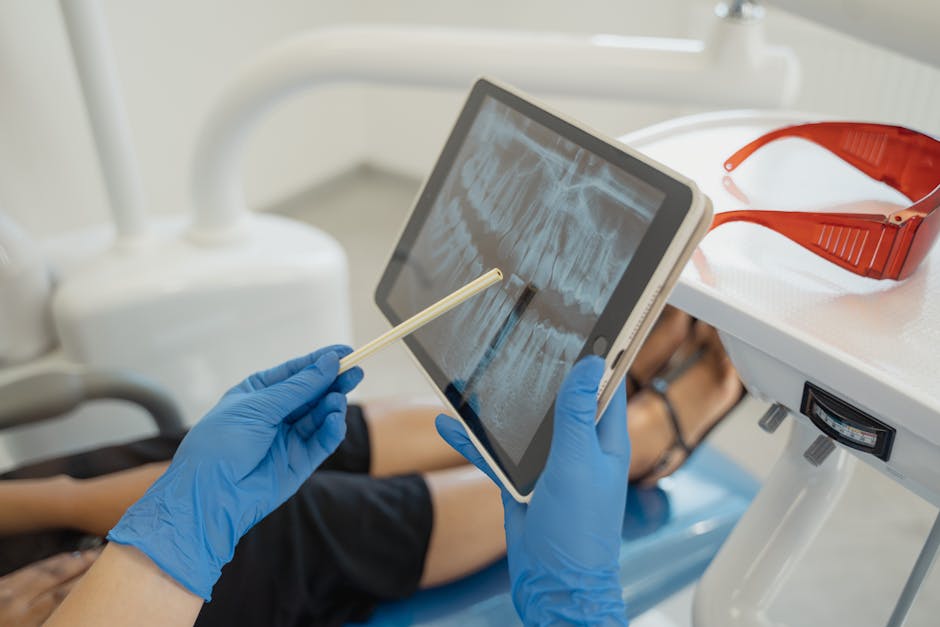
Visit your dentist twice a year. Regular checkups catch small cavities before they reach the nerve. At Titanium Smiles in Bhopal, we use advanced diagnostic tools to spot decay early, often before you feel any pain. A small filling costs far less in time and money than root canal treatment later.
Protect your teeth from trauma. Cracked or chipped teeth are a common pathway to root canal treatment. If you play sports, wear a mouthguard. Avoid chewing on hard objects like ice, unpopped popcorn kernels, or bones.
Control your diet. Sugary and acidic foods feed the bacteria in your mouth and soften your enamel. Limit sodas, candy, and citrus juices. When you do consume these, drink water afterward to rinse your mouth.
Address grinding and clenching. Bruxism—grinding your teeth at night—puts enormous stress on your teeth and can crack them. If you wake with a sore jaw or your partner complains about grinding sounds, ask your dentist about a nightguard. This simple device can save you from extensive treatment down the line.
Don't delay dental treatment. When you notice a cavity, book your appointment immediately. When you have a toothache, don't wait it out. Early intervention prevents complications.
Early warning signs you shouldn't ignore
Your body sends signals when a tooth is in trouble. Learning to recognize them means you can seek treatment before infection reaches the nerve.
Sharp or throbbing pain when biting or chewing is a classic warning sign. This often indicates decay has penetrated deep into the tooth structure, very close to the nerve chamber.
Sensitivity to hot and cold that lingers after the stimulus is removed suggests the nerve is irritated. If you have a tooth that hurts when you drink hot tea or eat ice cream, and the pain doesn't go away quickly, don't ignore it.
Swelling or tenderness in your jaw, cheek, or gums near a specific tooth signals infection. You might also notice a small pimple-like bump on the gum above the tooth. This is actually a fistula—an opening through which pus drains. It's your body's way of saying the situation has become serious.
Discoloration or darkening of a tooth (gray or black appearance) usually means the nerve inside is dead or dying. This is a common sign that root canal treatment will be needed.
Pain when biting down on a specific tooth, especially when combined with swelling, strongly suggests an abscess. I wrote more about understanding tooth abscess in Bhopal: prevention and expert treatment if you want to learn more about this serious condition.
If you experience any of these signs, schedule an appointment right away. The longer you wait, the more complex the treatment may become, and the higher the risk of spreading infection.
At-home care that actually works
Prevention and early detection are your first lines of defense, but what about the daily habits that truly make a difference?
Use the right brushing technique. Hold your brush at a 45-degree angle to your gum line, and use gentle, circular motions. Avoid aggressive scrubbing—this actually damages your enamel and gums. Brush for at least two minutes, and spend extra time on the back teeth where decay most commonly starts.
Floss properly. Many people rush this step or skip it entirely. Take time to work the floss gently between each tooth, curving it around the base. Go slightly below the gum line, but never force it. If you find traditional floss difficult, water flossers work just as well.
Choose the right products. Use a toothpaste with fluoride and an ADA-approved seal. Electric toothbrushes can be more effective than manual ones for many people because they remove more plaque. Mouthwash is a helpful addition, not a replacement for brushing and flossing.
Manage your diet consciously. Drink plenty of water throughout the day—it neutralizes acids and washes away food debris. If you do consume sugary or acidic foods, try to finish them during a meal rather than sipping or snacking throughout the day. Eat more calcium-rich foods like dairy and leafy greens to keep your teeth and bones strong.
Don't use your teeth as tools. Opening bottles, tearing packages, or holding things with your teeth puts tremendous stress on them and can cause cracks or chips that require treatment.
When prevention isn't enough: treatment options
Sometimes, despite your best efforts, a tooth becomes infected or severely decayed. At this point, we move beyond prevention to active treatment. Understanding what root canal treatment in Bhopal: a comprehensive guide involves will help you feel more confident about your options.
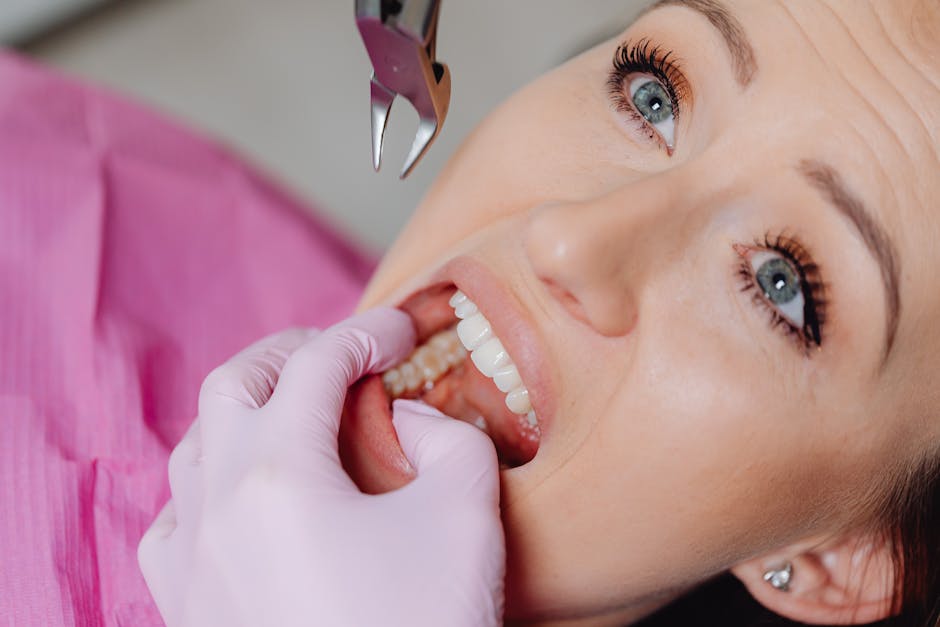
Root canal treatment is the gold standard for saving a tooth with an infected or dead nerve. Here's what happens: I access the inside of the tooth, remove the infected or inflamed nerve tissue, clean and shape the root canal system, and then fill it with a biocompatible material called gutta-percha. The tooth is then sealed with a filling or crown.
The procedure itself is no more uncomfortable than getting a filling. Modern techniques, local anesthesia, and rotary instruments like the ones we use at Titanium Smiles make the experience straightforward. You might wonder is root canal treatment painful?—the answer is no, though there may be some pressure or vibration. Most discomfort comes from the infection or abscess before treatment, not during it.
Tooth extraction is sometimes necessary if the tooth cannot be saved. However, extraction should be your last resort because losing a tooth creates problems: your remaining teeth shift, your bite changes, and you need a replacement like a bridge or implant, which is more costly and complex.
Dental implants and crowns and bridges are restorative options we offer at Titanium Smiles if a tooth cannot be saved. We also provide professional teeth cleaning to remove buildup and laminates and veneers for cosmetic concerns. The key is addressing problems early so you can keep your natural teeth whenever possible.
The cost of root canal treatment in Bhopal: what you need to know varies depending on which tooth is affected and how complex the case is. Front teeth are typically simpler and less expensive; molars have multiple roots and cost more. At Titanium Smiles, we provide transparent pricing and work with you on payment options.
Long-term outcomes to expect
So, is a root canal permanent? The short answer is: it can be, but a few conditions must be met.
The tooth itself, once treated, doesn't decay again. Because the nerve is removed, that tooth cannot develop new decay inside. However, the tooth can still develop decay on the outer surfaces if you don't maintain good oral hygiene. This is why post-treatment care is absolutely critical.
Most root canal treatments last 10 to 15 years or longer. Some last a lifetime. The longevity depends on:
- How well the root canal was performed initially
- How quickly the tooth is restored (ideally with a crown within a few weeks)
- Your oral hygiene habits after treatment
- Whether the tooth experiences new trauma
- Your overall health and immune function
The tooth becomes more brittle over time. Without the nerve,
Interested in treatment at Titanium Smiles?
Check our available slots for Bhopal patients →Dr. Tarun Pandey
BDS, MDS (ORTHODONTICS)
Specialist in Orthodontics & Invisible Braces and 15+ Years of Experience