Dental Implants in Bhopal: Your Complete Prevention and Treatment Guide

Dr. Tarun Pandey
BDS, MDS (ORTHODONTICS) · Bhopal

When you lose a tooth—whether from decay, injury, or age—it affects far more than just your smile. Missing teeth can change how you eat, speak, and feel about yourself. Over my 15+ years of practice in Bhopal, I've helped countless patients understand that dental implants are not just a cosmetic fix; they're a way to restore your natural function and confidence.
At Titanium Smiles, we believe the best implant is the one you never need. That's why this guide focuses on prevention first, but also gives you the full picture of what happens when implants become necessary—and how to ensure yours last a lifetime.
How to prevent the need for dental implants in Bhopal
The truth is simple: most tooth loss can be prevented with consistent care. I see it every day in my practice here near Gastrocare Hospital in Arera Colony—patients who maintained their natural teeth well into their 80s and 90s.
Prevention starts with understanding what destroys teeth:
- Untreated decay – This is the leading cause of tooth loss. Cavities don't fix themselves; they spread deeper into the tooth structure.
- Gum disease – Also called periodontitis, this is a silent killer. Your gums recede, bone dissolves, and teeth become loose.
- Poor oral hygiene – Plaque buildup leads to both decay and gum disease.
- Smoking and tobacco – These dramatically accelerate bone loss and gum damage.
- Grinding your teeth – Known as bruxism, this wears down teeth and stresses the jaw.
What you can do right now:
Brush your teeth twice daily with a fluoride toothpaste for two minutes. Don't just go through the motions—angle your brush at 45 degrees toward your gum line. Floss every single day; it removes plaque your brush can't reach. Use mouthwash after meals if you can't brush immediately.
Visit your dentist every six months for professional cleaning and early detection. During these visits, we use advanced tools to spot problems before they become emergencies. If you grind your teeth, ask about a night guard—this simple device protects your teeth while you sleep.
Limit sugary foods and drinks. I'm not saying never have them, but don't sip on cola throughout the day or snack constantly on sweets. Each time you eat sugar, bacteria produce acid for 20 minutes. Multiple exposures mean constant acid attacks.
Quit smoking if you do. I know it's hard, but it's the single biggest gift you can give your teeth and gums.
Early warning signs you shouldn't ignore
Many patients come to me when damage is already advanced. The earlier you catch a problem, the simpler and less expensive the solution. Here's what to watch for:
- Persistent bad breath – This often signals gum disease or a hidden cavity.
- Bleeding gums when you brush or floss – Healthy gums don't bleed. This is your body's warning signal.
- Tooth sensitivity to cold or hot – Often means the protective layer (enamel or cementum) is wearing away.
- Loose or shifting teeth – This indicates bone loss and requires urgent attention.
- Discomfort when chewing – Pain can mean decay, infection, or a cracked tooth.
- Visible dark spots or pits – These are cavities that need filling before they reach the nerve.
- Swelling in your face or jaw – This suggests an abscess or serious infection.
If you experience any of these, don't wait. Call us at Titanium Smiles. Early treatment often means saving your tooth with a filling, root canal, or other restorative procedure. Left untreated, these same problems lead directly to tooth loss and the eventual need for implants.
I've had patients tell me, "Dr. Pandey, I wish I'd come in six months earlier." Don't be that person.
At-home care that actually works
Your at-home routine matters more than you might think. It's the foundation of everything else.
The daily routine:
Use a soft-bristled toothbrush or an electric toothbrush. Hard bristles actually damage your gums over time. Brush for the full two minutes—most people stop at 30 seconds. Clean all surfaces: outer, inner, and chewing surfaces. Spend extra time where your teeth meet your gums.
Floss before bed every night. Many patients ask me the best type—the answer is: whatever type you'll actually use consistently. Waxed floss, unwaxed floss, water flossers, and interdental picks all work. The key is removing plaque from between teeth where your brush can't reach.
Consider a water irrigator (like a Waterpik) if you have implants, crowns, or bridgework. These are incredibly effective for cleaning around restorations.
What to avoid:
Don't use your teeth as tools to open packages or tear tags off clothing. Don't chew ice, hard candy, or pen caps. These habits crack teeth. Avoid aggressive brushing—you're cleaning, not scrubbing. Light pressure with proper technique removes plaque better than force.
Diet matters:
Eat a diet rich in calcium (dairy, leafy greens), vitamin C (citrus, berries), and lean proteins. These support bone and gum health. Limit carbonated drinks—the acid wears away enamel even if there's no sugar. If you do consume acidic foods or drinks, wait 30 minutes before brushing to avoid spreading softened enamel.
When prevention isn't enough: treatment options
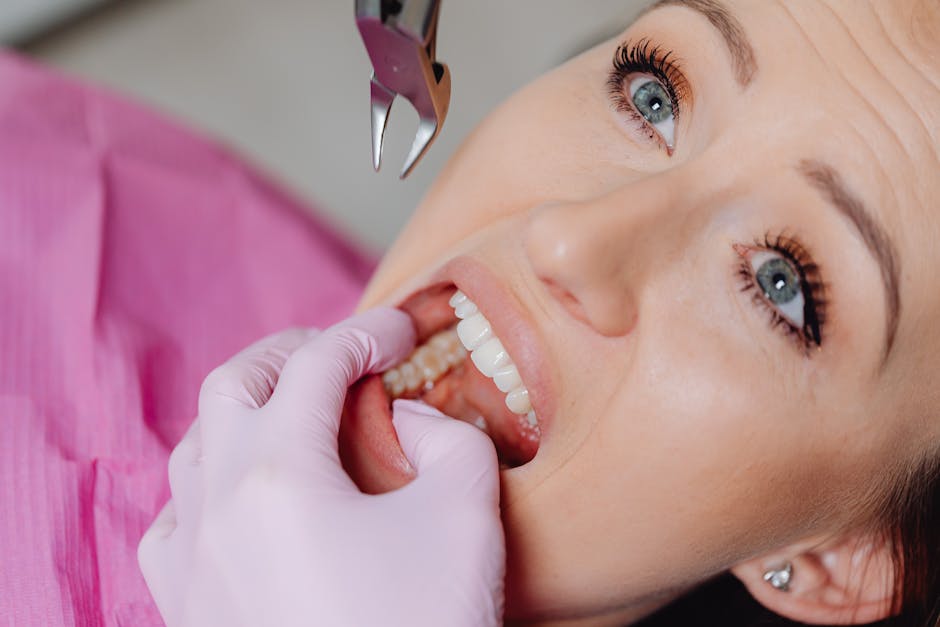
Sometimes, despite your best efforts, a tooth is too damaged to save. Infection, severe decay, or trauma can mean extraction becomes necessary. If you need more information about extraction specifically, I recommend reading our complete guide to tooth extraction in Bhopal.
Once a tooth is gone, you have several options to restore function:
Dental Implants
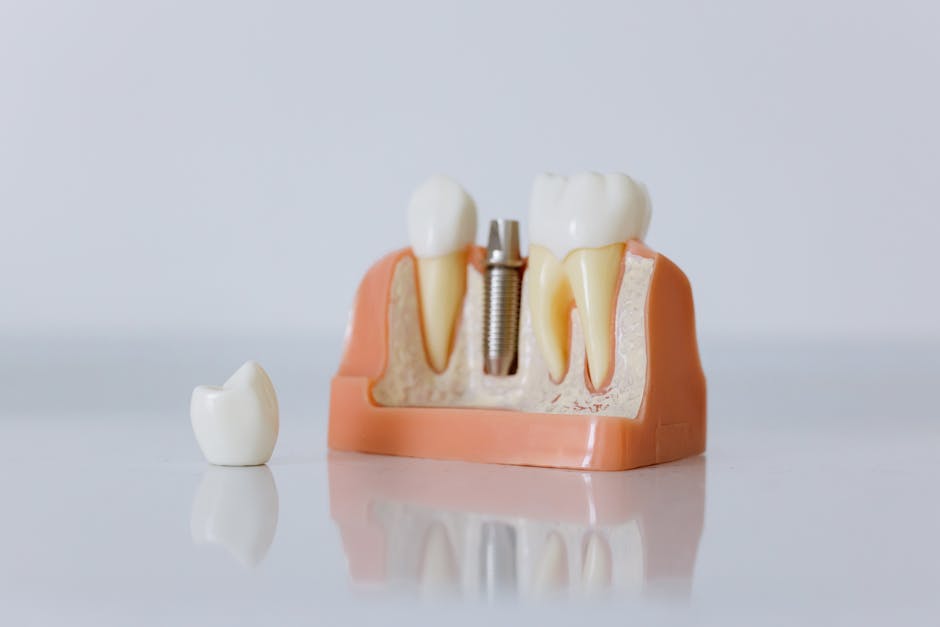
An implant is an artificial tooth root, usually made of titanium (our clinic's namesake!), surgically placed into your jawbone. Over three to six months, the bone fuses to the implant through a process called osseointegration. Then we attach a crown on top, giving you a tooth that looks, feels, and functions like your natural tooth.
- Cost in Bhopal: Typically ₹25,000 to ₹45,000 per implant, depending on bone quality and complexity.
- Lifespan: 20+ years or longer with proper care.
- Advantages: Doesn't require shaving down adjacent teeth, preserves jawbone, most natural feeling and looking option.
- Disadvantages: Requires surgery, takes time, not suitable if bone is severely deficient (though bone grafting can help).
Dental Bridges
A bridge is a false tooth held in place by crowns on adjacent teeth. We shave down the neighboring teeth, cement the bridge in place, and you have a fixed restoration that doesn't require surgery.
Our detailed guide to dental bridges in Bhopal covers this option thoroughly. Bridges are less expensive than implants and require no surgical placement, but they do alter healthy teeth.
Complete Dentures
If you're missing several or all teeth, dentures might be appropriate. Modern dentures are far more natural-looking than older versions. They're removable, which requires daily cleaning and adjustment as your jaw changes shape.
My approach at Titanium Smiles:
When you come in with a missing tooth, we take time to discuss your goals, your timeline, and your budget. We perform a thorough examination, including X-rays and sometimes 3D imaging, to understand your bone structure and overall oral health. Only then do we recommend the best option for you.
Long-term outcomes to expect
The success of your tooth replacement depends largely on what you do after treatment.
If you choose an implant:
The first year is critical. During osseointegration, avoid putting heavy pressure on the implant. We'll give you detailed instructions. Most people return to normal eating and speaking within a few weeks, but the bone is still bonding.
Once healed, implants require the same care as natural teeth: brushing, flossing, and regular checkups. Unlike a natural tooth, an implant doesn't have a nerve or blood supply, so you won't feel decay developing. This is why professional cleanings every six months are essential.
With proper care, implants last 20, 30, or even 40+ years. Some of my patients from the early years of my practice still have their original implants functioning perfectly.
If you choose a bridge:
Bridges typically last 10-15 years. The teeth supporting the bridge will eventually need new crowns or may develop cavities. You'll need more
Interested in treatment at Titanium Smiles?
Check our available slots for Bhopal patients →Dr. Tarun Pandey
BDS, MDS (ORTHODONTICS)
Specialist in Orthodontics & Invisible Braces and 15+ Years of Experience