Wisdom Tooth Removal in Bhopal: Complete Prevention and Treatment Guide

Dr. Tarun Pandey
BDS, MDS (ORTHODONTICS) · Bhopal

Wisdom teeth are the last set of molars to erupt, usually appearing between ages 17 and 25. For many people in Bhopal and across India, these teeth create significant problems—crowding, infection, decay, or impaction—that eventually require professional removal. At Titanium Smiles, we understand that the thought of wisdom tooth removal can feel overwhelming. This guide walks you through prevention strategies, early warning signs, and what to expect if extraction becomes necessary.
Whether you're experiencing discomfort now or want to protect your oral health for the future, understanding wisdom tooth issues helps you make informed decisions about your dental care.
How to prevent the need for wisdom tooth removal in Bhopal
The best way to avoid wisdom tooth removal is maintaining excellent oral hygiene, eating a tooth-friendly diet, and scheduling regular dental checkups. Prevention starts long before wisdom teeth become a problem.
Most wisdom tooth complications arise from three main causes:
- Lack of space: Your jaw may not have enough room for four additional molars, causing crowding and misalignment
- Poor oral hygiene: Wisdom teeth are harder to clean because of their location, making them prone to decay and gum disease
- Dietary habits: Sticky, sugary, or hard foods increase the risk of cavities and structural damage
Here's what you can do right now:
- Brush twice daily with fluoride toothpaste, paying extra attention to the back molars where food particles hide
- Floss daily, including the areas around wisdom teeth—a water flosser can help if traditional floss feels awkward
- Rinse with mouthwash after meals to reduce bacterial buildup
- Avoid hard, sticky, and sugary foods that increase decay risk
- Visit your dentist every six months for professional cleanings and early detection
At Titanium Smiles, Dr. Tarun Pandey recommends starting preventive care in your early teens. With 15+ years of experience in restorative dentistry, Dr. Pandey can monitor your wisdom teeth's development and catch problems before they require extraction.
If you're concerned about crowding from wisdom teeth, we also offer Invisible Braces and Clear Aligner Therapy—modern solutions that gently align your teeth without the appearance of traditional braces. These treatments can sometimes prevent the need for extraction by creating adequate space.
Early warning signs you shouldn't ignore
If you experience jaw pain, swelling, difficulty opening your mouth, or persistent bad breath, contact your dentist immediately—these are classic signs of wisdom tooth problems. Ignoring these symptoms often leads to infection, which makes extraction more complicated and recovery longer.
Watch for these specific warning signs:
- Pain at the back of your jaw that comes and goes or feels constant
- Swelling and tenderness in the gums around the wisdom tooth area
- Difficulty opening your mouth fully or pain when chewing
- Bad breath or a foul taste that doesn't improve with brushing
- Visible decay or dark spots on the wisdom tooth surface
- Crowding of front teeth that wasn't present before
- Cysts or infections detected during dental X-rays
- Persistent headaches on one side of your head
Wisdom tooth infections can escalate quickly. What starts as mild discomfort may become severe swelling, fever, or difficulty swallowing within days. If you experience fever, severe swelling that affects your ability to swallow, or swelling in your neck, seek emergency dental care immediately.
At Titanium Smiles near Gastrocare Hospital in Bhopal, we're equipped to diagnose wisdom tooth issues using digital X-rays and 3D imaging. Early detection often means simpler, less invasive treatment—and sometimes prevention of extraction altogether.
At-home care that actually works
Daily oral hygiene with proper technique prevents 70% of wisdom tooth problems, but the back of your mouth requires special attention. Generic brushing won't protect teeth you can barely see or reach.
Follow this targeted routine:
- Angle your toothbrush at 45 degrees toward the gum line when brushing wisdom teeth
- Use gentle, circular motions rather than aggressive scrubbing that damages gums
- Spend 30 seconds on each quadrant of your mouth, including the far back
- Floss with a specific technique: slide the floss gently between teeth, then curve it around each tooth in a C-shape
- Consider a water flosser if traditional floss is difficult—it's particularly effective for wisdom teeth
- Rinse with salt water (1/2 teaspoon salt in 8 ounces warm water) twice daily if your gums feel tender
If your wisdom teeth have partially erupted (partially visible), food and bacteria easily accumulate in the gap between the tooth and gum. This creates a pocket where infection develops. Extra attention to this area is critical.
Dietary changes also matter significantly:
- Reduce sugary snacks and beverages that feed decay-causing bacteria
- Avoid hard candies, nuts, and ice that can crack teeth
- Limit sticky foods like caramel and dried fruit that cling to teeth
- Stay hydrated—dry mouth increases cavity risk
- Eat calcium-rich foods (yogurt, cheese, leafy greens) to strengthen enamel
Many patients in Bhopal ask about natural remedies. While clove oil and salt water rinses provide temporary relief, they don't treat underlying infection. Professional dental care is essential if problems persist beyond a few days.
When prevention isn't enough: treatment options
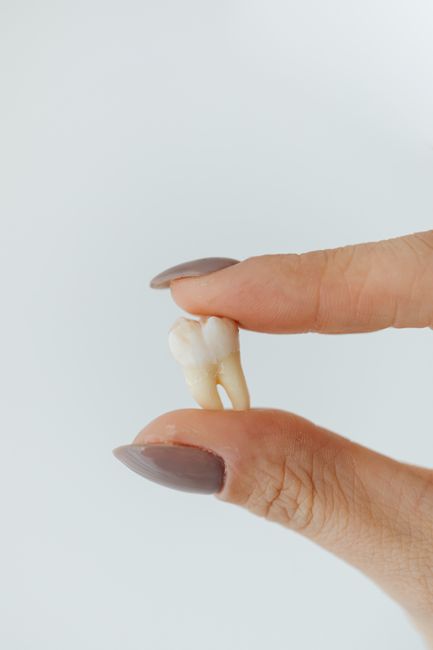
If your wisdom tooth cannot be saved through cleaning and medication, extraction is the most effective solution to prevent infection and complications. At Titanium Smiles, we offer several treatment pathways depending on your specific situation.
Non-surgical management (when extraction isn't immediately necessary)
If your wisdom tooth is causing mild discomfort but isn't severely infected:
- Antibiotic therapy (prescribed by your dentist) to clear infection
- Prescription mouthwash to reduce bacterial load
- Pain management with over-the-counter or prescribed analgesics
- Regular monitoring with follow-up appointments every 2-4 weeks
This approach works only if the tooth remains stable and infection doesn't return. Many patients eventually require extraction even after successful antibiotic treatment.
Wisdom tooth extraction
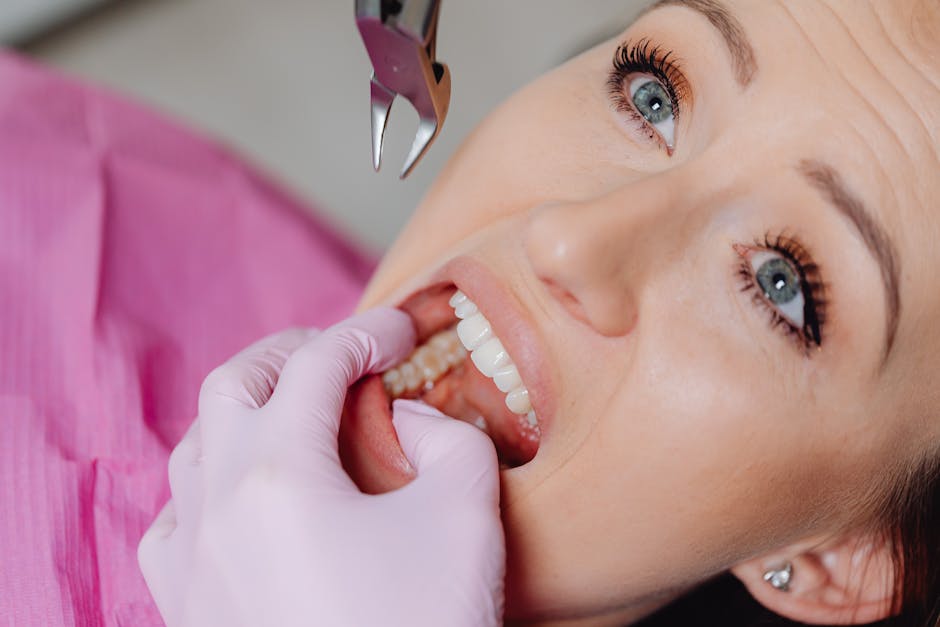
When extraction is necessary, Dr. Tarun Pandey uses modern techniques to ensure comfort and minimize recovery time.
The extraction process typically involves:
- Initial consultation and imaging (X-rays or 3D scans) to assess tooth position and root structure
- Local anesthesia administered to numb the area completely
- Gentle tooth removal using specialized instruments—simple extraction if the tooth is fully erupted, or surgical extraction if impacted
- Socket care and placement of gauze to control bleeding
- Post-extraction instructions for optimal healing
Most extractions take 20-45 minutes depending on complexity. You'll remain awake but completely comfortable throughout the procedure.
Recovery and aftercare
Recovery from wisdom tooth removal typically follows this timeline:
- First 24 hours: Expect swelling, mild bleeding, and discomfort. Rest at home, apply ice packs (20 minutes on, 20 minutes off), and take prescribed pain medication
- Days 2-7: Swelling peaks around day 3, then gradually decreases. Stick to soft foods, avoid straws and smoking, and sleep with your head elevated
- Weeks 2-4: You'll feel mostly normal, though the extraction site continues healing internally. Avoid strenuous exercise and hard foods
- Months 3-6: Complete bone healing occurs beneath the gum surface
If you're missing teeth after extraction, Titanium Smiles offers excellent replacement options. Our dental implants are a permanent solution that functions like natural teeth. We also provide dental bridges as a more conservative alternative.
Long-term outcomes to expect
Most patients experience complete healing within 6-8 weeks, with full bone regeneration occurring over several months. Understanding what to expect helps you plan for recovery and recognize normal healing versus complications.
Normal healing signs
- Gradual reduction in swelling and bruising
- Decreased pain as days pass
- Slight oozing of blood for the first 24-48 hours
- Mild discomfort when chewing near the extraction site for 1-2 weeks
- Slight changes in bite as surrounding teeth shift
When to contact your dentist
Certain symptoms indicate complications requiring professional attention:
- Excessive bleeding that doesn't slow after 48 hours
- Severe pain that worsens after day 3 (may indicate dry socket)
Interested in treatment at Titanium Smiles?
Check our available slots for Bhopal patients →Dr. Tarun Pandey
BDS, MDS (ORTHODONTICS)
Specialist in Orthodontics & Invisible Braces and 15+ Years of Experience