Why Is a Root Canal Done? Complete Guide at Titanium Smiles, Bhopal

Dr. Tarun Pandey
BDS, MDS (ORTHODONTICS) · Bhopal

Root canal treatment remains one of the most misunderstood dental procedures. Many patients in Bhopal worry about the procedure itself, but the real question they should ask first is: why do I need this treatment in the first place?
In this guide, we'll explain exactly what triggers the need for a root canal, what you can expect during and after the procedure, and how our team at Titanium Smiles approaches this critical tooth-saving treatment.
Why patients in Bhopal ask about this
The primary reason patients need a root canal is infection or inflammation inside the tooth's pulp chamber. The pulp is the soft tissue at the center of your tooth that contains nerves and blood vessels. When bacteria penetrate the pulp—often through deep decay, cracks, or trauma—an infection develops.
Statistical context: Approximately 15 million root canal procedures are performed annually worldwide, with India accounting for roughly 5–7% of these treatments. In urban centers like Bhopal, the demand for root canal treatment has increased by 20–25% over the past five years due to lifestyle factors and dietary habits.
Common reasons why a root canal becomes necessary include:
- Untreated dental decay – When cavities are left untreated, bacteria gradually work their way toward the pulp
- Traumatic tooth injury – A blow to the tooth, even without visible damage, can damage the pulp
- Repeated dental procedures – Multiple fillings or crowns on the same tooth can irritate the pulp over time
- Cracked or chipped teeth – Fractures expose the tooth's interior to bacteria
- Severe periodontal disease – Gum infections can spread to the tooth root
If you notice symptoms that indicate you need a root canal in Bhopal, such as severe pain while chewing, prolonged sensitivity to hot or cold, or a small bump on your gums, it's important to seek professional evaluation immediately. Delaying treatment increases the risk of tooth abscess, which can spread to adjacent teeth and bone.
What to expect step-by-step
A root canal is a meticulous, multi-step procedure designed to remove infected pulp tissue while preserving the tooth structure.
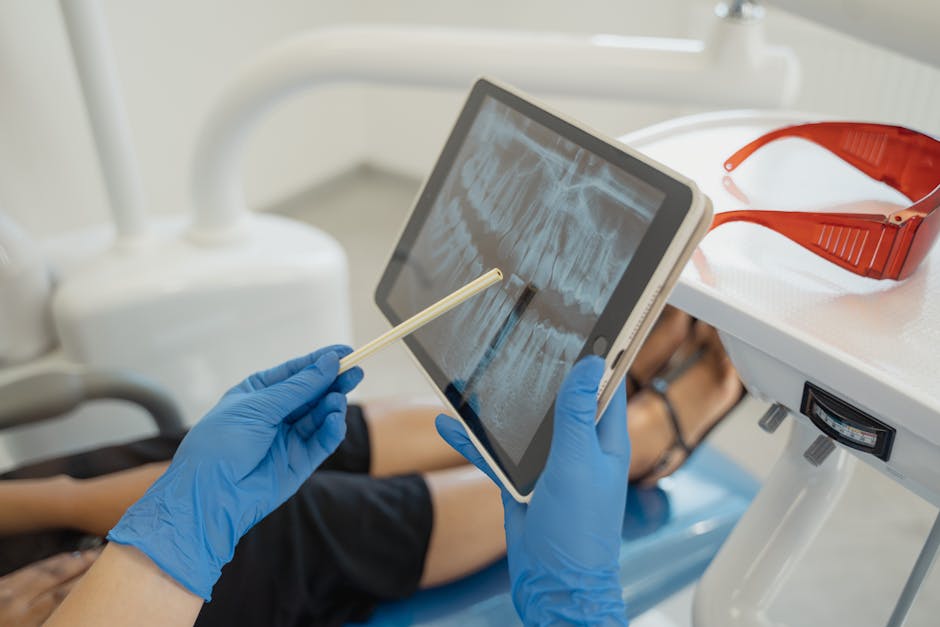
Initial consultation and diagnosis: Your dentist will examine the tooth, take X-rays, and assess the extent of infection. This helps determine whether a root canal is truly necessary or if a simpler restoration (like a filling) might suffice.
Anesthesia application: Local anesthesia is administered to numb the tooth and surrounding area. You should feel no pain during the procedure—only pressure and vibration from instruments.
Isolation of the tooth: A rubber dam is placed around the tooth to keep it dry and prevent bacterial contamination during treatment.
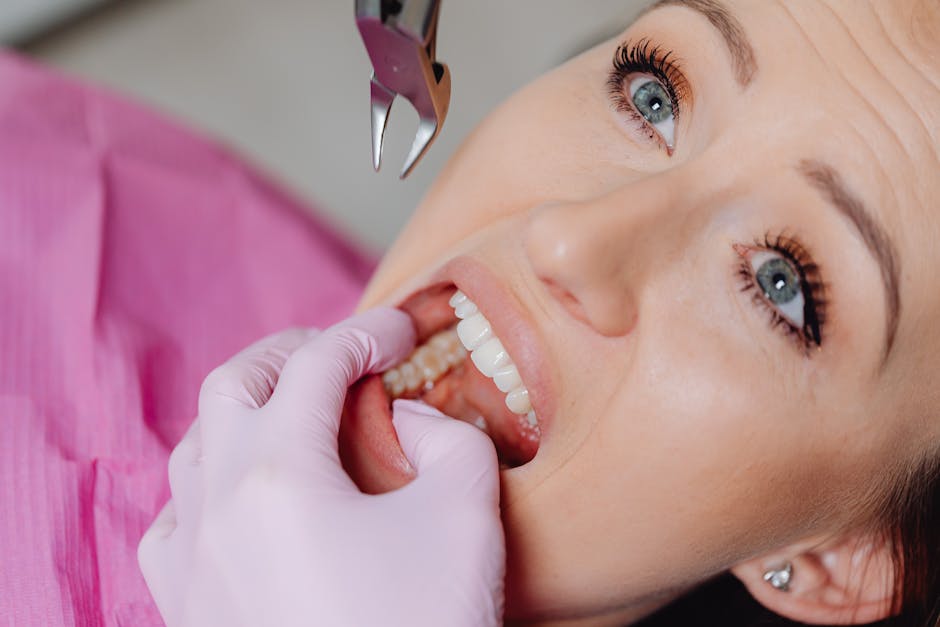
Access and pulp removal: The dentist creates a small opening in the crown of the tooth to access the pulp chamber. Using specialized instruments called files, the infected pulp tissue is carefully removed from the pulp chamber and root canals.
Cleaning and shaping: The canals are cleaned, shaped, and widened to prepare them for filling. This process typically takes 30–90 minutes depending on the tooth's complexity and the number of roots involved.
Filling the canals: Once cleaned and shaped, the canals are filled with a biocompatible material called gutta-percha—a rubber-like substance. This seals the canals and prevents future bacterial entry.
Sealing the access hole: The small opening created at the beginning is sealed with a temporary or permanent filling material.
Restoration: In most cases, a tooth that has undergone root canal treatment will need a crown or other restoration to restore its full function and protect it from fracture. This is typically completed within 2–4 weeks after the root canal procedure.
At Titanium Smiles, we use advanced rotary instruments and digital imaging to ensure precision at every step, minimizing treatment time and improving outcomes.
Recovery, aftercare and timelines
One of the most common misconceptions is that recovery from a root canal is long and painful. In reality, most patients return to normal activities within 24 hours.
Immediate recovery (first 24 hours): Your tooth may feel slightly tender or sensitive for a few hours after treatment. This is completely normal. Avoid chewing on the treated tooth until permanent restoration is complete. You may experience mild swelling of the gum or lip, which typically subsides within 48 hours.
Pain management: Over-the-counter pain relievers like ibuprofen (400–600 mg) or paracetamol (500 mg) are usually sufficient. If prescribed antibiotics, take them as directed to clear any remaining infection.
Activity restrictions: You can return to work the same day or the next day. Avoid strenuous exercise for 3–4 days to prevent increased blood pressure and swelling.
Full healing timeline: The bone around the tooth root heals gradually over 6–12 months. However, most patients feel completely back to normal within 1–2 weeks. The tooth becomes fully functional once the permanent crown or restoration is placed.
Long-term care: A tooth with a root canal can last a lifetime with proper care:
- Brush twice daily with fluoride toothpaste
- Floss daily, especially around the restored tooth
- Avoid biting or chewing very hard foods (nuts, hard candy, ice)
- Visit your dentist every 6 months for checkups
- Wear a mouthguard if you grind your teeth at night
Costs and what affects them
Root canal treatment costs in Bhopal typically range from ₹3,000 to ₹10,000 per tooth, depending on several factors.
What influences the cost:
- Number of roots – A front tooth (single root) is less expensive than a back molar (two to four roots)
- Complexity of the case – Curved, calcified, or severely infected canals require more time and expertise
- Whether a crown is needed – A crown typically adds ₹5,000–₹15,000 to the total cost
- Dentist experience – Specialists may charge more than general dentists, but offer superior outcomes
- Clinic location and facilities – Urban centers and well-equipped clinics may have higher fees
For detailed pricing information, check our guide on the cost of root canal treatment in Bhopal.
Cost comparison: Extracting a tooth and replacing it with a dental implant (₹20,000–₹40,000) is significantly more expensive than treating the natural tooth with a root canal. This is why preserving your natural tooth through root canal treatment is both medically and financially wise.
Most dental insurance plans in India cover 50–75% of root canal treatment costs if it's deemed medically necessary. Always check with your insurance provider before treatment.
How Titanium Smiles approaches this treatment
At Titanium Smiles in Bhopal, we believe in combining clinical expertise with patient comfort and transparency.
Our approach includes:
- Comprehensive diagnosis – Digital imaging and thorough examination ensure we don't perform unnecessary root canals
- Advanced technology – We use rotary instruments, electronic apex locators, and digital radiography to improve precision and reduce treatment time
- Specialist expertise – Our team, led by Dr. Tarun Pandey (BDS, MDS in Orthodontics with 15+ years of experience), brings meticulous attention to every procedure
- Pain management – Local anesthesia is carefully administered, and we use gentle techniques to minimize discomfort
- Clear communication – We explain every step, discuss costs upfront, and outline restoration options before treatment begins
- Integrated restoration – We handle both the root canal and the necessary crown restoration, ensuring seamless treatment
- Follow-up care – We monitor healing and ensure the tooth remains healthy long-term
As part of our commitment to comprehensive dental care, we also offer dental implants, crowns and bridges, and professional teeth cleaning to address all your restorative needs.
Frequently asked questions
Is root canal treatment painful?
No. With modern anesthesia and gentle techniques, the procedure itself is painless. You may feel pressure or hear high-pitched sounds, but there should be no sharp pain. In fact, a root canal relieves the severe pain caused by an infected pulp. Many patients report feeling much better after treatment than before. For more details, read our guide on [whether root canal treatment is painful](https://blog.titaniumsmiles.in/is-root-canal-treatment-painful-complete-guide-at-titan
Interested in treatment at Titanium Smiles?
Check our available slots for Bhopal patients →Dr. Tarun Pandey
BDS, MDS (ORTHODONTICS)
Specialist in Orthodontics & Invisible Braces and 15+ Years of Experience